



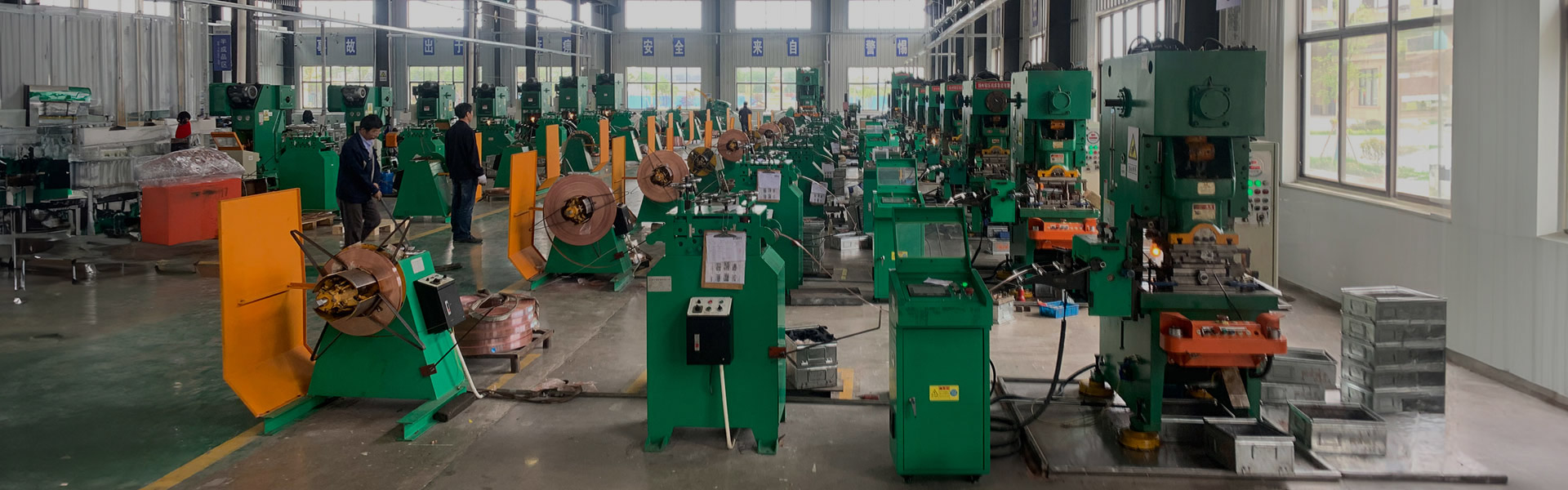
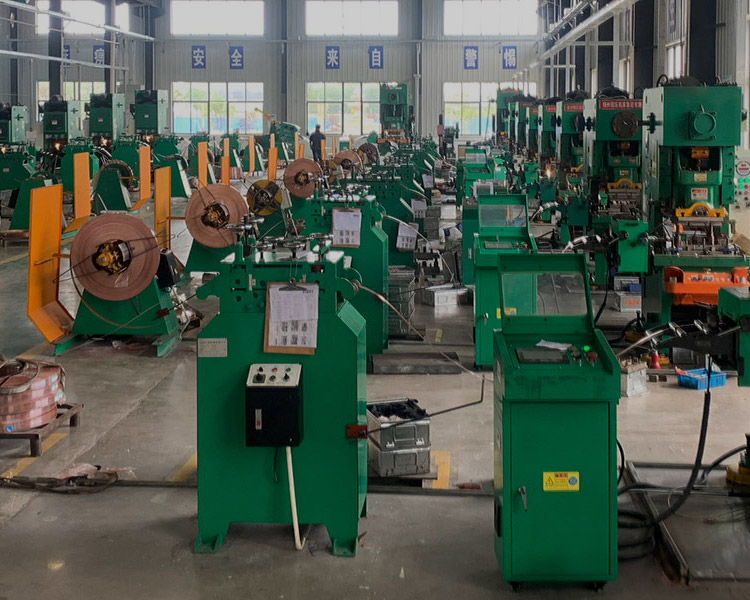
Select the Right Model by Working Range
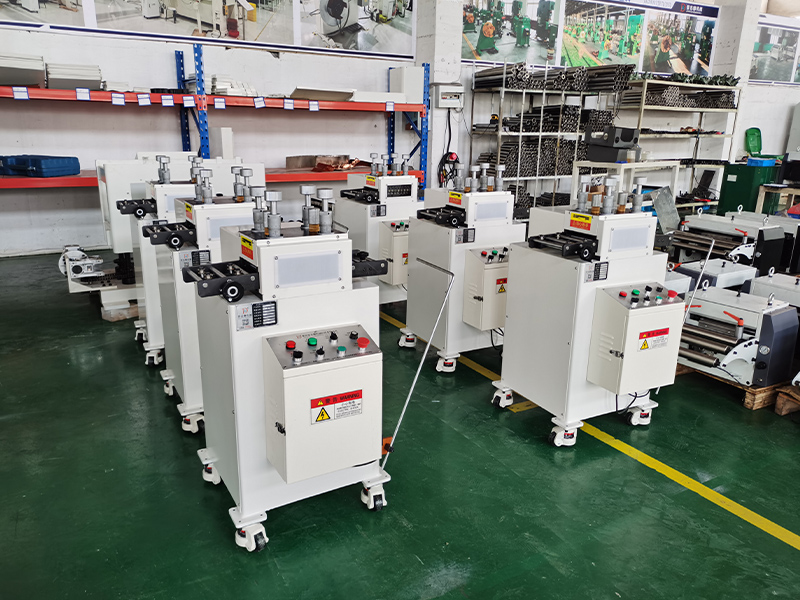
The GJ series straightener is engineered for material thicknesses from 0.1 mm to 0.6 mm, offering outstanding straightening performance with minimal distortion.
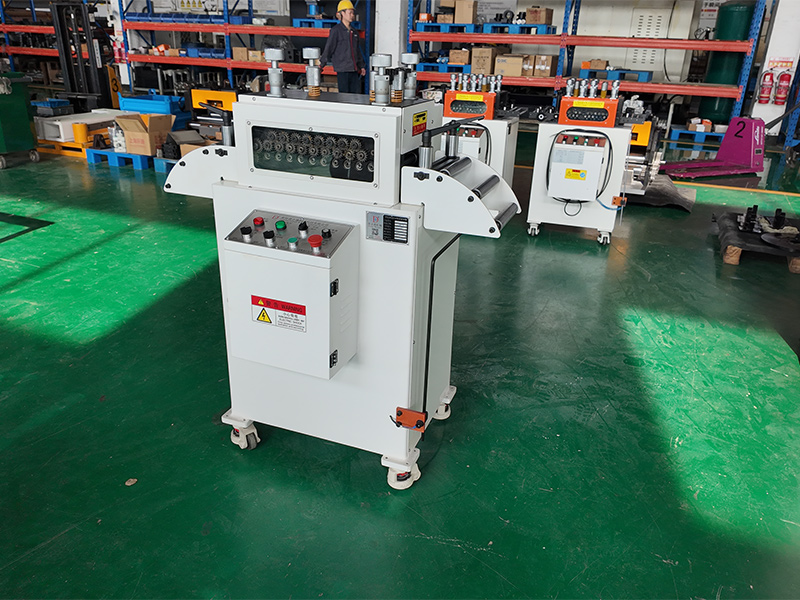
The JM3 precision sheet straightener is an advanced coil leveling machine designed for a wide range of metal processing needs. Featuring a precision gear drive for smooth roller transmission, it ensures stable, high-quality performance.
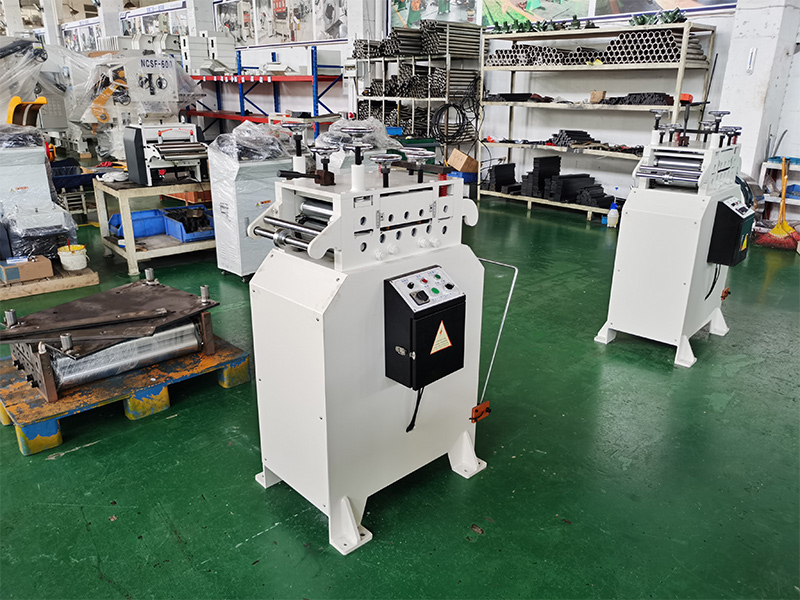
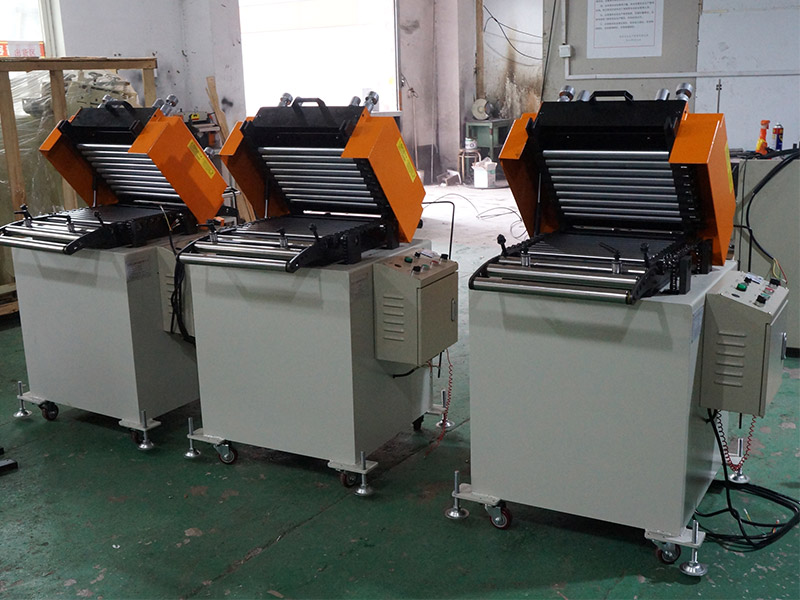
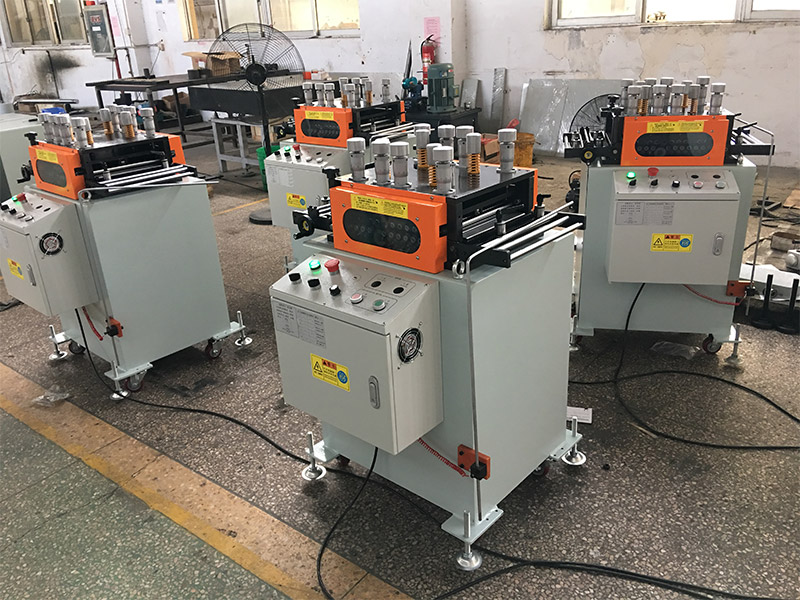
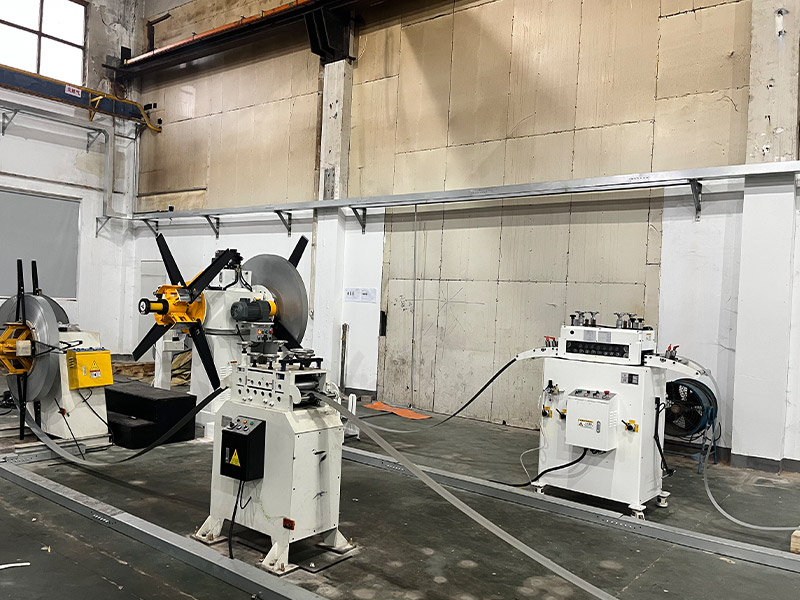
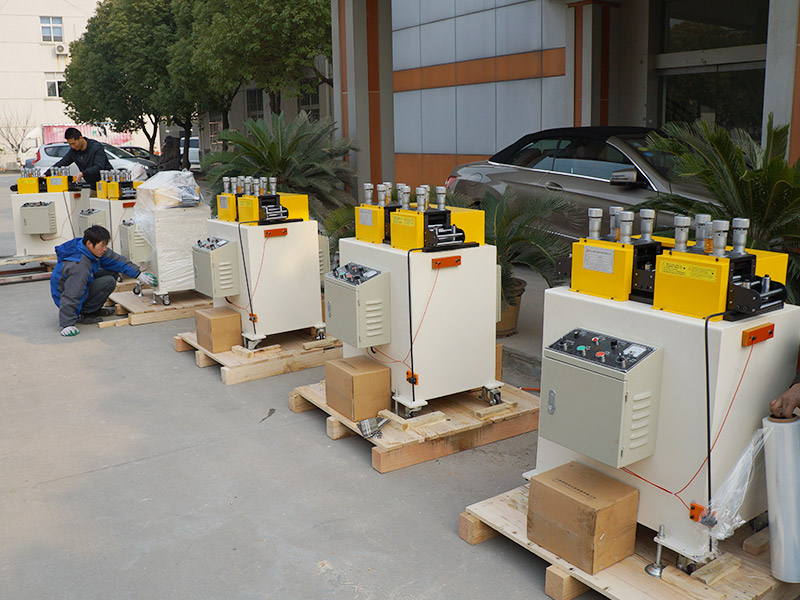
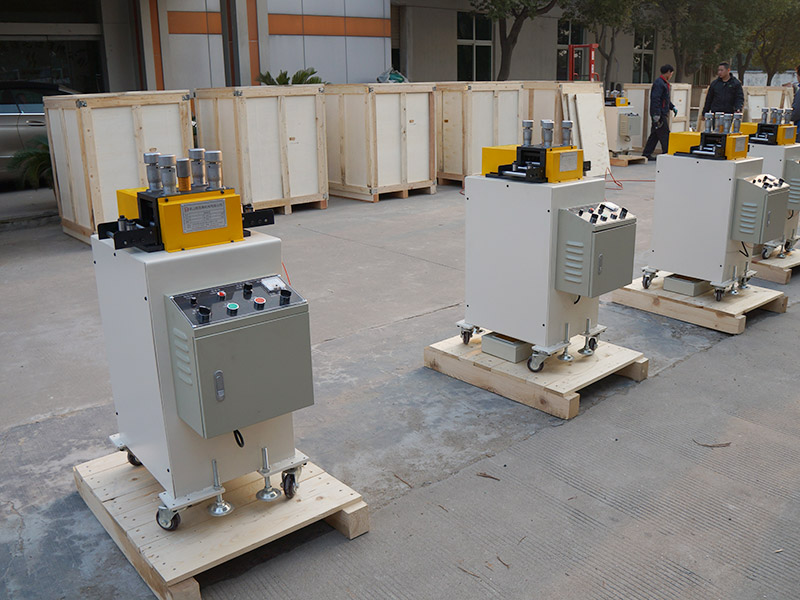
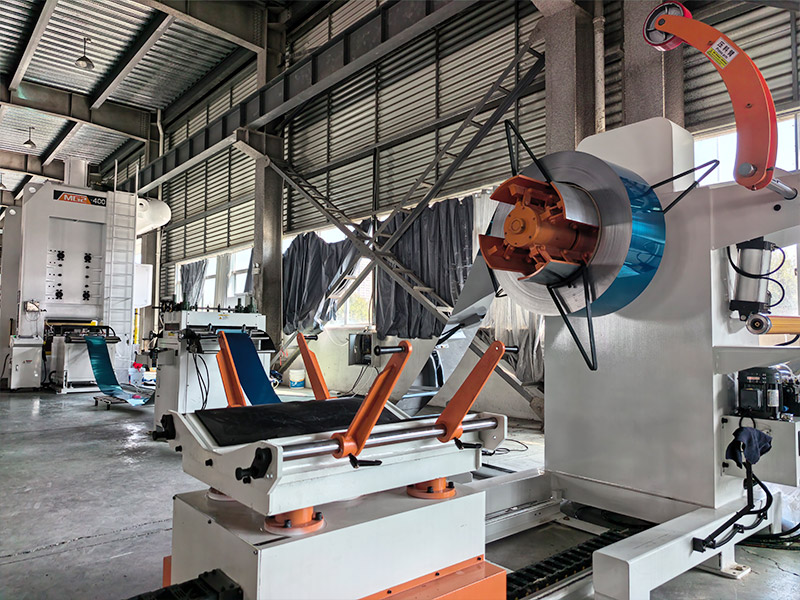
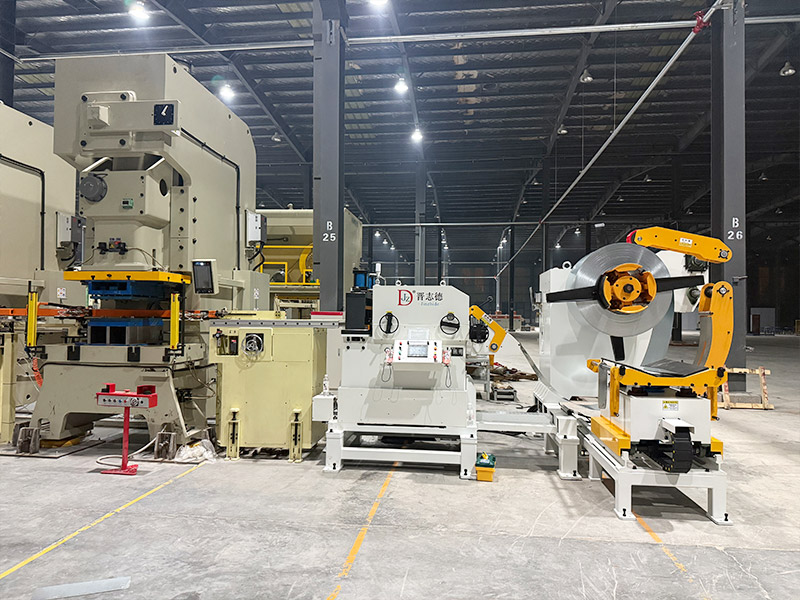
Metal sheet straightener machines, also known as levelers, are used to straighten uneven metal sheets. By passing the metal through upper and lower rollers, the machine achieves a smooth, flat surface through extrusion, particularly for strips or plates of specific thicknesses.
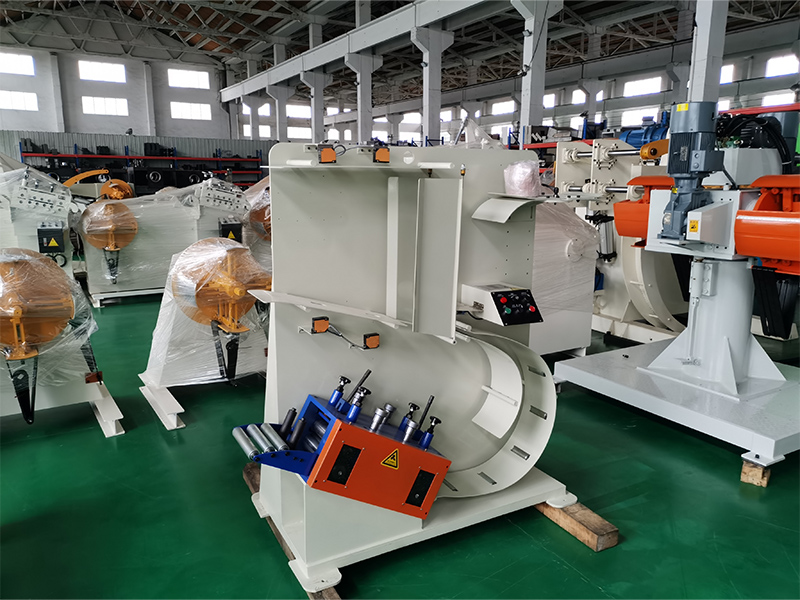
S loop high-speed straightener is primarily used in conjunction with high-speed presses. It consists of the leveling head, motor, S-type feeding track, and photoelectric switches on both sides of the track.
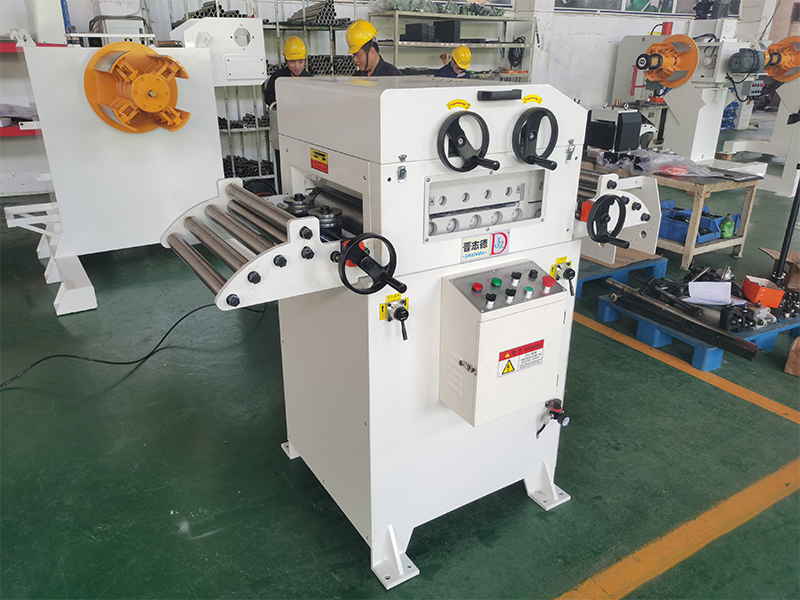
A straightener machine corrects bends and warps in metal sheets or strips caused during processing or handling. It operates by feeding the material through coordinated upper and lower rollers, applying controlled pressure to achieve flatness and surface uniformity.
- JINZHIDE focuses on coil-fed stamping automation equipment and provides one-stop support from product selection and solution planning to installation, commissioning, and after-sales service. We support custom parameters, complete line matching, and overseas service to help customers execute projects more smoothly.
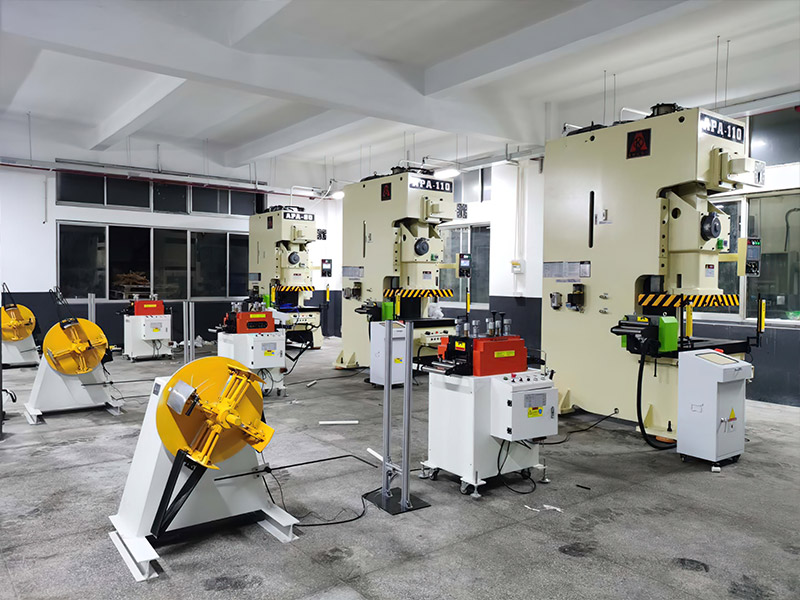

Core Advantages of Roller Leveler

Wide Application
Compatible with various metal coils, flexibly adapts to different production scenarios.

Easy Operation
User-friendly design with easy adjustment, reducing operation difficulty.

Stable & Efficient
Smooth continuous operation with high precision to improve production efficiency.

Durable & Low Consumption
High-strength components with low energy consumption to reduce operating costs.

Flat & Even Output
High flatness of sheets ensures quality for subsequent processes.

Easy Maintenance
Reasonable structure for easy inspection and maintenance, minimizing downtime.
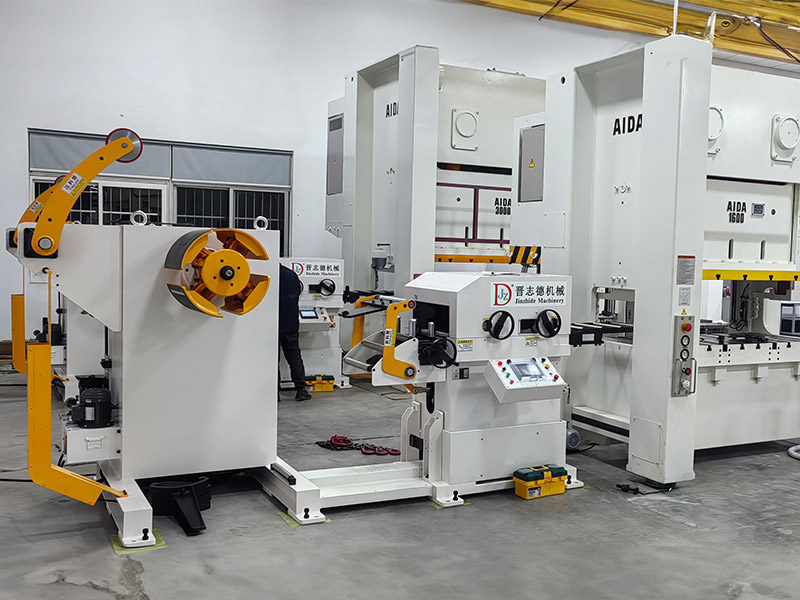
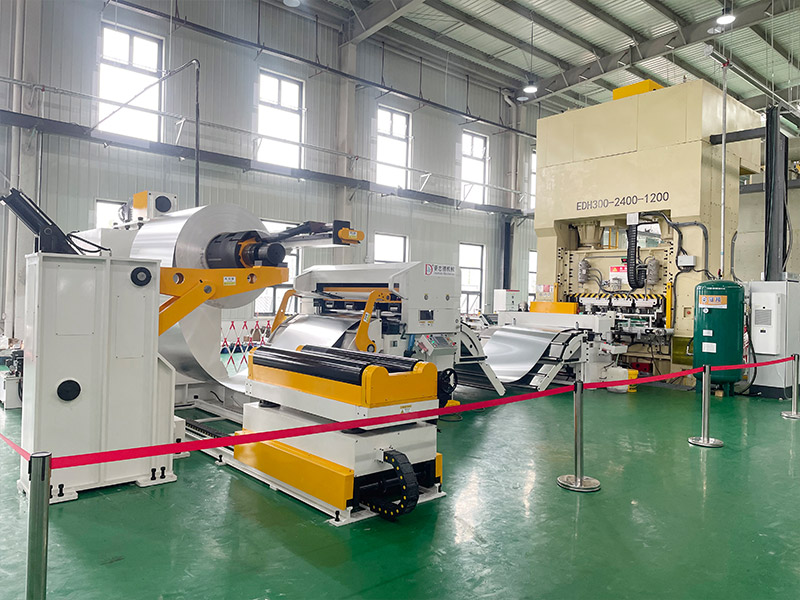
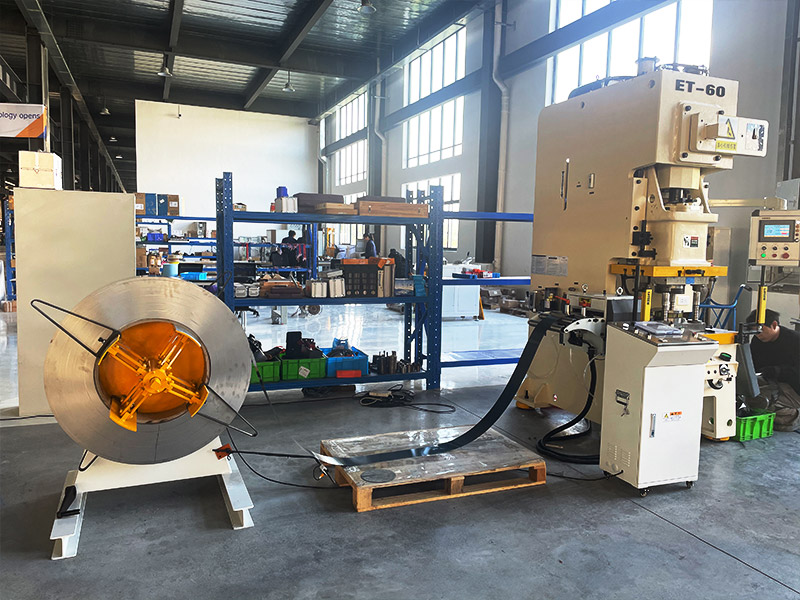
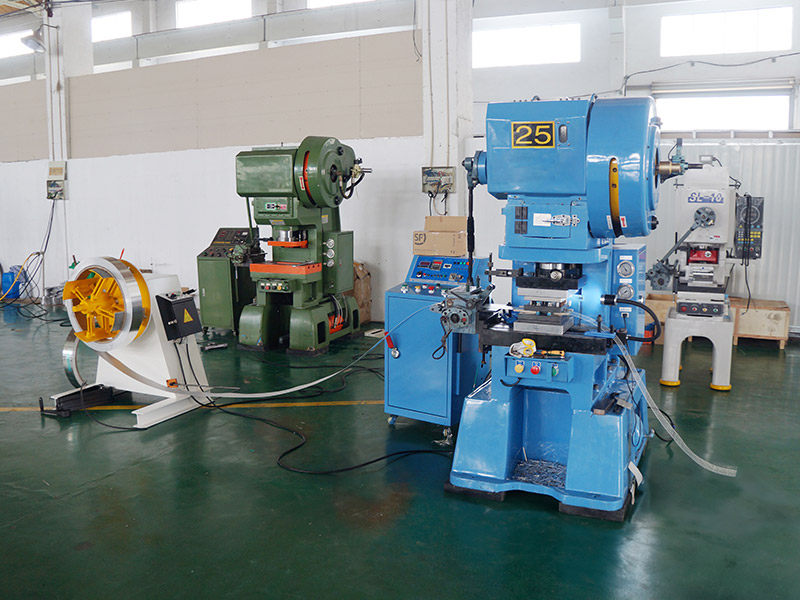
- 01.Conventional Punch Press● Simple structure, cost-effective
● Wide applicability, various industries
● Higher efficiency, lower cost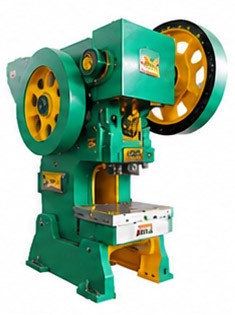
- 02.Precision Punch Press● High precision punching
● Stable and reliable
● Improve product quality
- 03.High Speed Punch Press● High-speed and efficient production
● Reduce material deformation
● Improve production efficiency
- 04.Roll Forming Machine● Ensure flatness of metal sheets
● Better forming effect
● Higher forming accuracy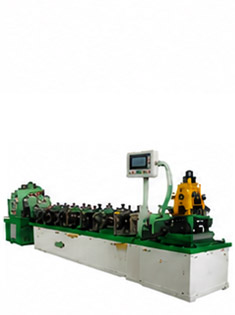
- 05.Hydraulic Press● Uniform force distribution, high precision
● Suitable for various processes
● Improve production stability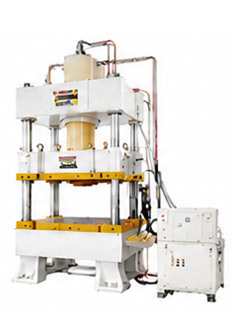
- 06.Laser Cutting Machine● Flat cutting, better results
● Reduce material waste
● Improve cutting efficiency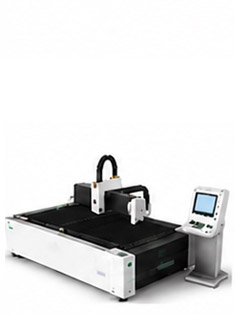
- Material Parameters
● Material type
● Yield strength
● Thickness range
● Width range
● Surface quality requirements - Leveling Requirements
● Flatness requirement
● Residual stress requirement
● Surface quality requirement
● Number of leveling segments - Production Capacity
● Line speed
● Maximum throughput
● Annual production volume
● Continuous operation time - Equipment Configuration
● Top / bottom roll arrangement
● Roll diameter and roll spacing
● Adjustment method
● Drive system
● Control system - Process Adaptability
● Upstream and downstream process interface
● Equipment matching
● Process flow layout
● Automation requirements - Economic Factors
● Equipment investment cost
● Operating cost
● Maintenance cost
● Cost performance ratio
Need Help Choosing the Right Model?
 How to select a Straightener?Select a Straightener based on material width, thickness, hardness, required leveling accuracy, and output speed to ensure optimal performance in your stamping line.
- What is the delivery time for a Straightener?Standard models usually ship within 7–10 days. High-precision or customized Straighteners may require 15–30 days.
- What are the installation requirements for a Straightener?The floor should be flat and load-bearing. Align the Straightener in a straight line with the Feeders or stamping press to ensure smooth material flow.
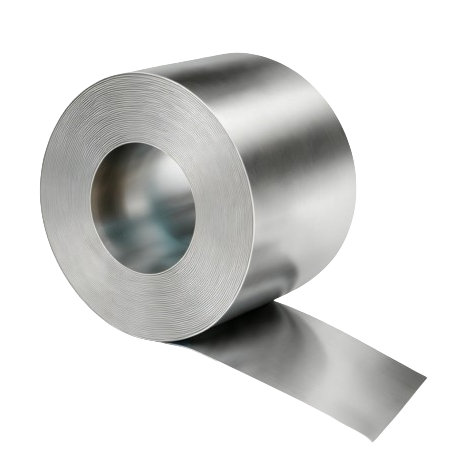
- What materials are suitable for a Straightener?Compatible with metal coils such as cold-rolled steel, galvanized steel, stainless steel, aluminum, and copper strips. Suitable for both thin and thick sheets.
- How to adjust the leveling effect?Adjust the roller gap using handwheels or worm-gear mechanisms. Material passes through repeated bending to achieve flatness. Thicker or harder materials require slightly larger roller gaps.
- What to do if the leveled sheet still has wavy deformation?Recalibrate the parallelism of the upper and lower leveling rollers and adjust the pressure to improve the leveling result.
- Maintenance of StraightenersRegularly inspect leveling rollers, bearings, and transmission components. Keep the machine clean and prevent material debris from causing blockages or roller wear.