



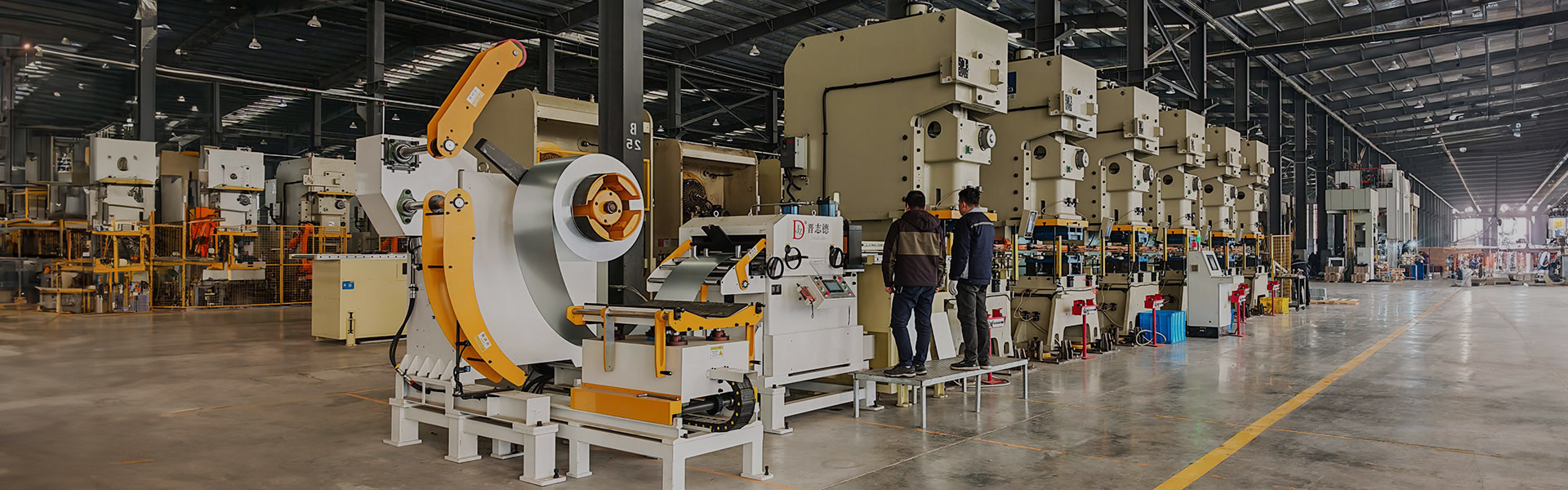

Select the Right Model by Working Range
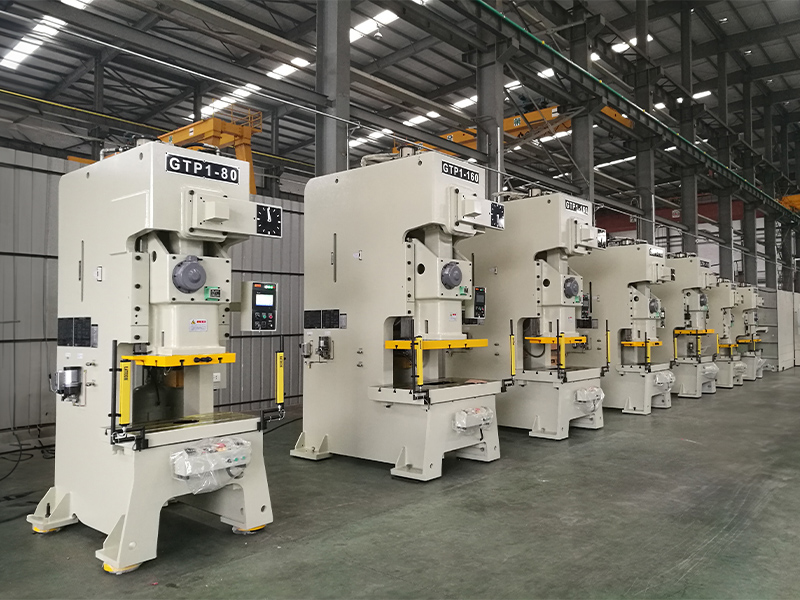
The Single Crank C-Frame Press is a high-precision stamping solution designed for metal forming, punching, and shaping applications.
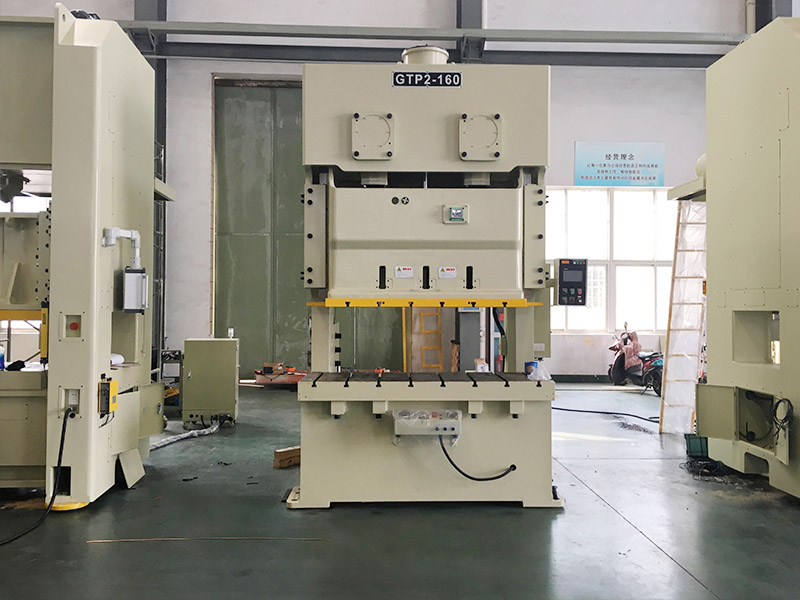
The Double Crank C-Frame Press is built for reliable, high-precision stamping of medium-sized metal components.
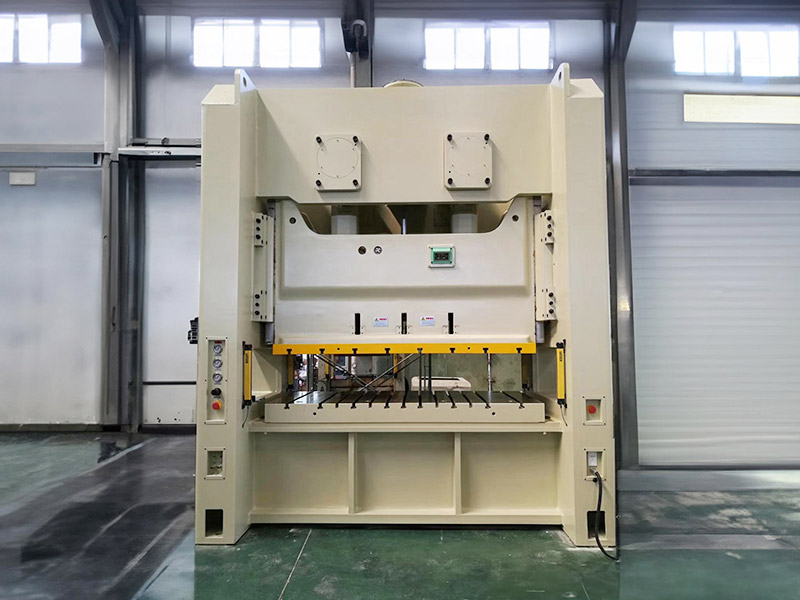
High-precision Double Crank H-Frame Press with rigid frame, dual crank and connecting rod mechanism, wide bed surface, and sensitive overload protection. Available in 160T–400T for metal stamping and forming.
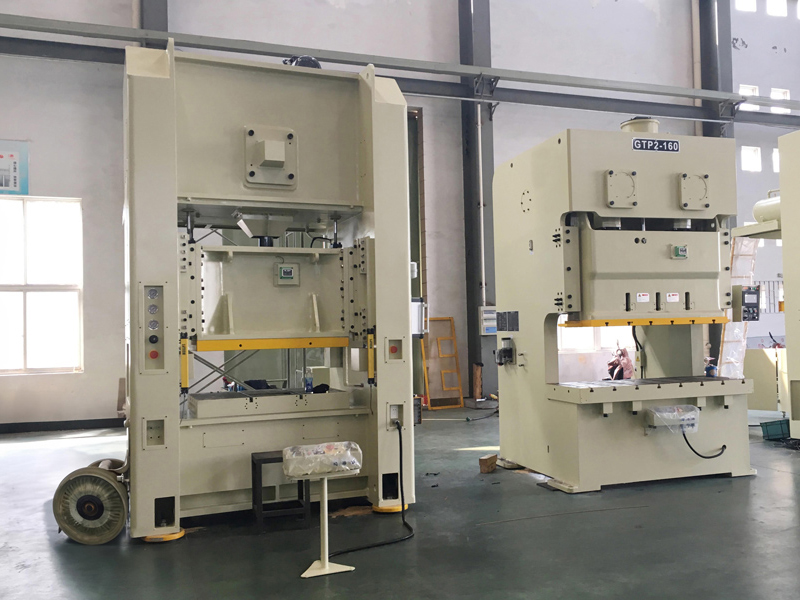
Discover our 200T-600T straight-side single crank press with high-precision performance. Features include a welded frame, automatic die height adjustment, eight-way slide guidance, automatic lubrication, and PLC safety control. Ideal for metal stamping applications.
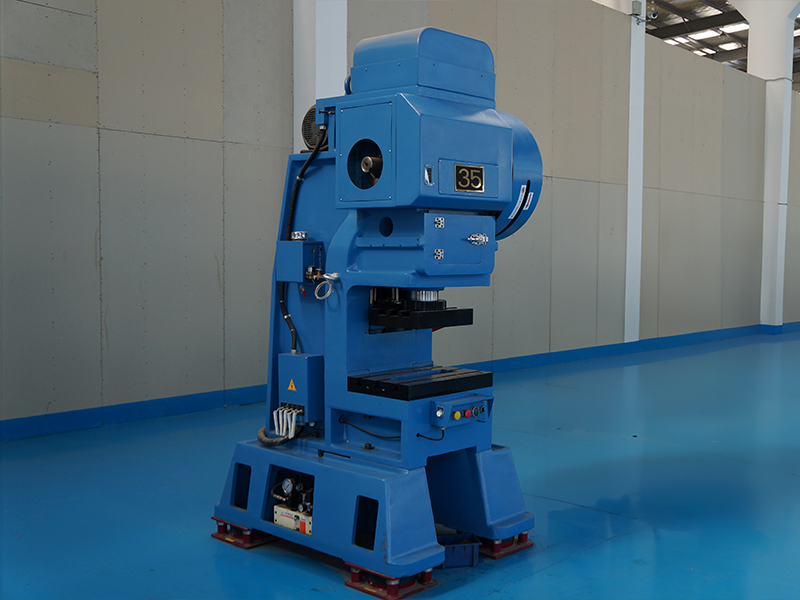
C-Frame high-speed press with 25T–80T tonnage, capable of up to 1000 strokes per minute. Features three-column guide, dynamic balance system, and forced lubrication for reliable precision. Ideal for metal stamping, punching, and high-speed forming operations.
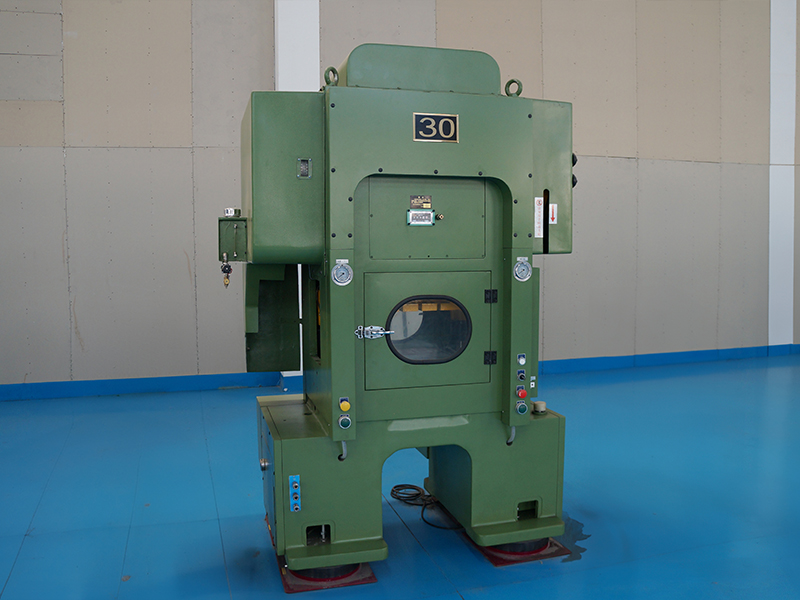
H-Frame High-Speed Press with 30T-125T capacity. Gantry frame design, high-speed up to 1200 strokes/min, hydraulic slide lock, forced lubrication, and oil-cooled system for precise punching and stamping.
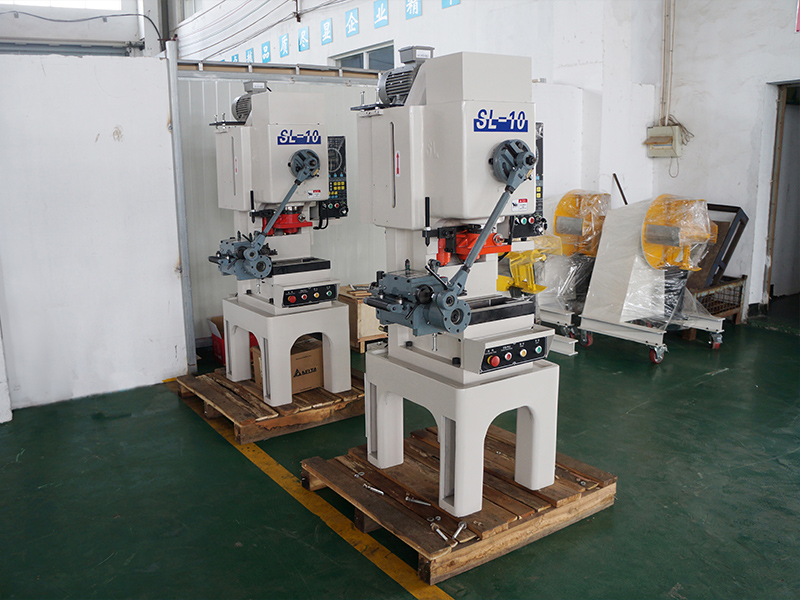
Reliable Mini Punch Press and High-Speed Mini Punch Press, 6T and 10T tonnage, 110–800 S.P.M punching speed. Features high-rigidity frame, variable-speed drive, pneumatic clutch brake, low noise, and multiple work modes. Optional feeders, safety devices, and material handling accessories available.
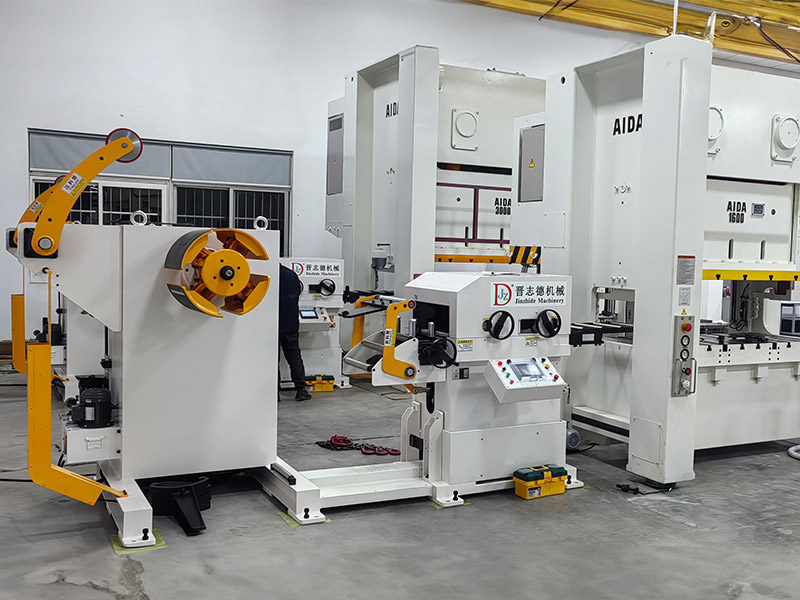
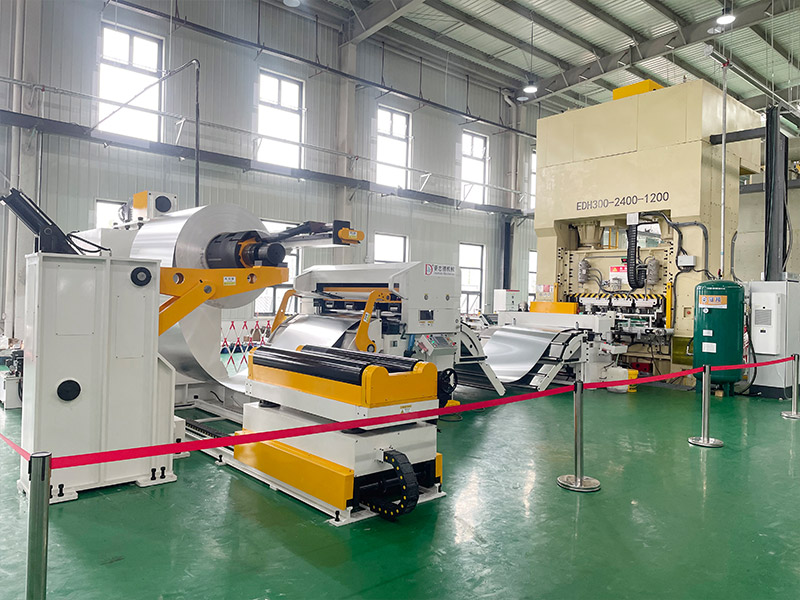
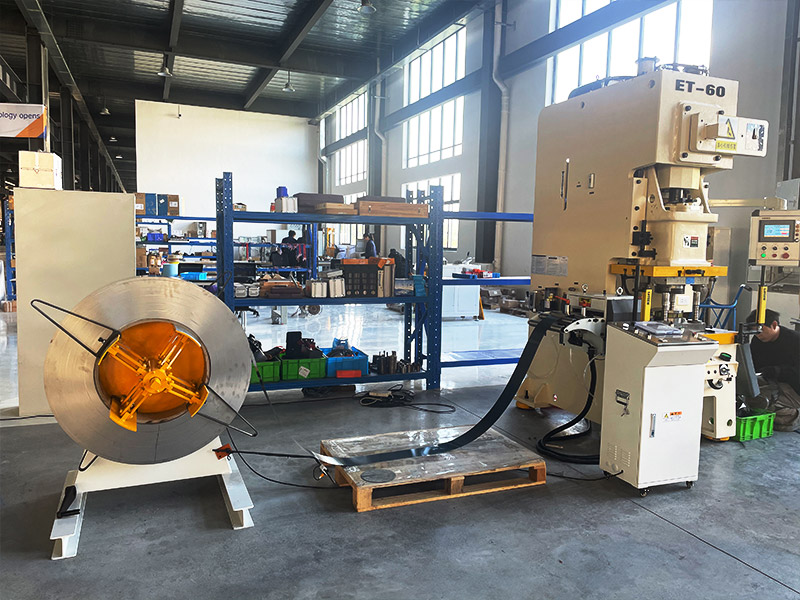
- JINZHIDE focuses on coil-fed stamping automation equipment and provides one-stop support from product selection and solution planning to installation, commissioning, and after-sales service. We support custom parameters, complete line matching, and overseas service to help customers execute projects more smoothly.
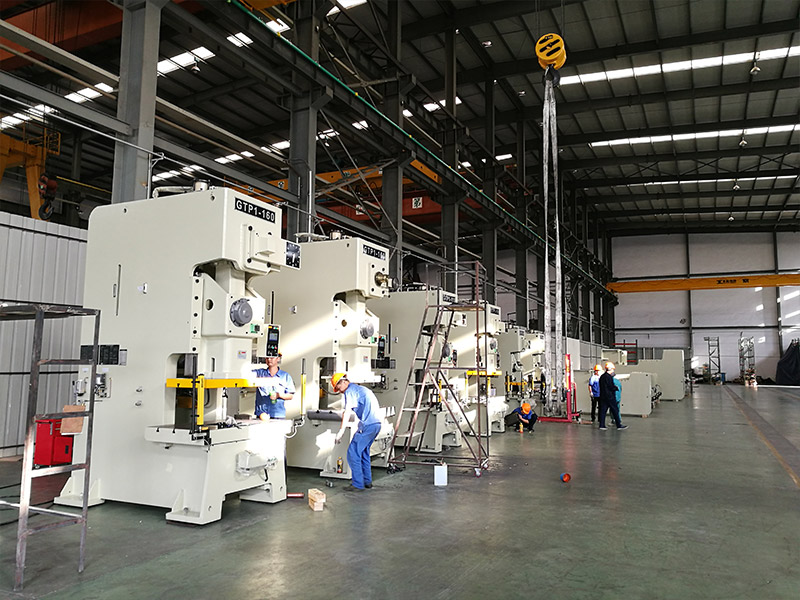
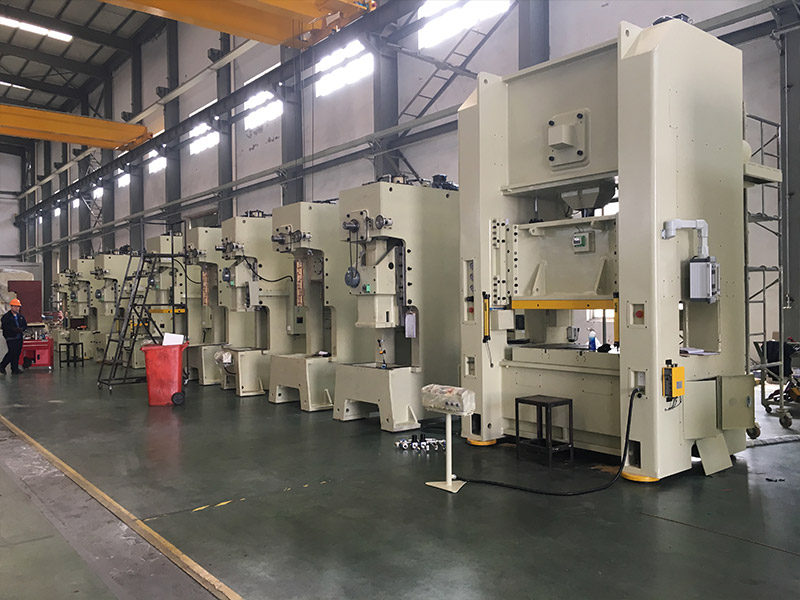

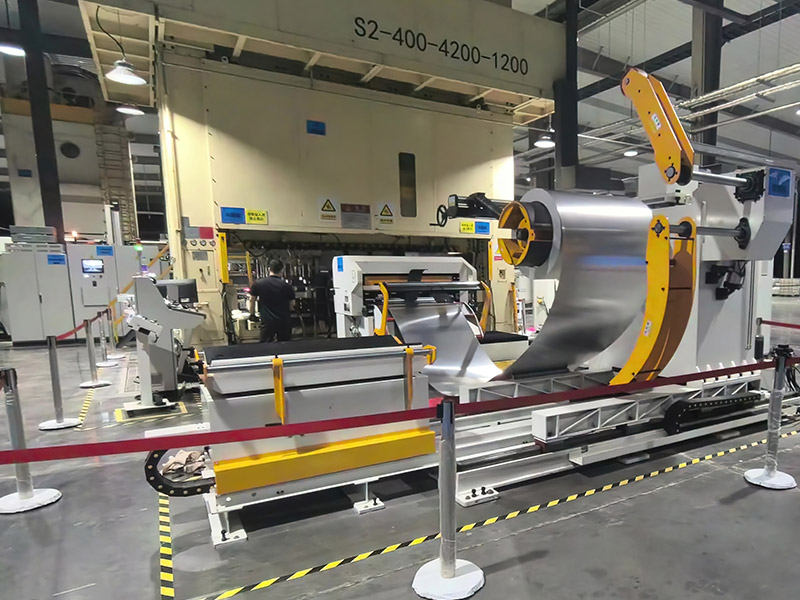
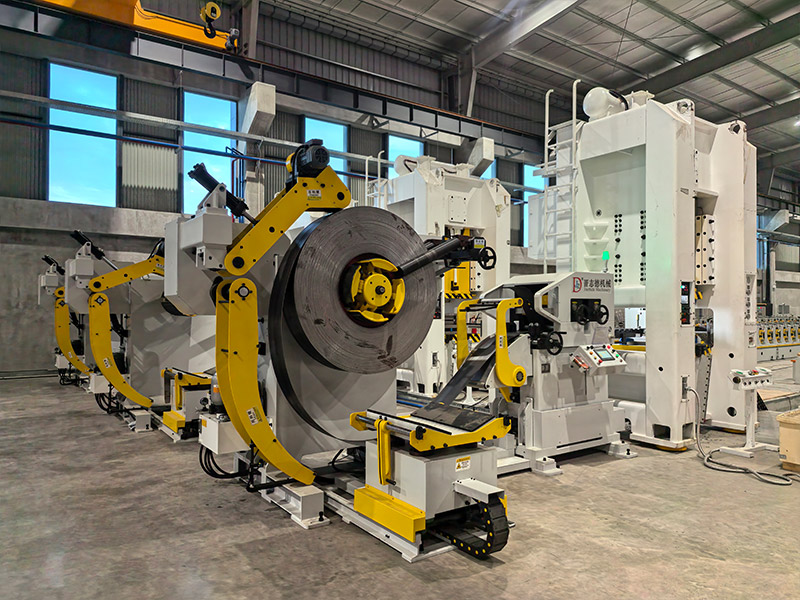
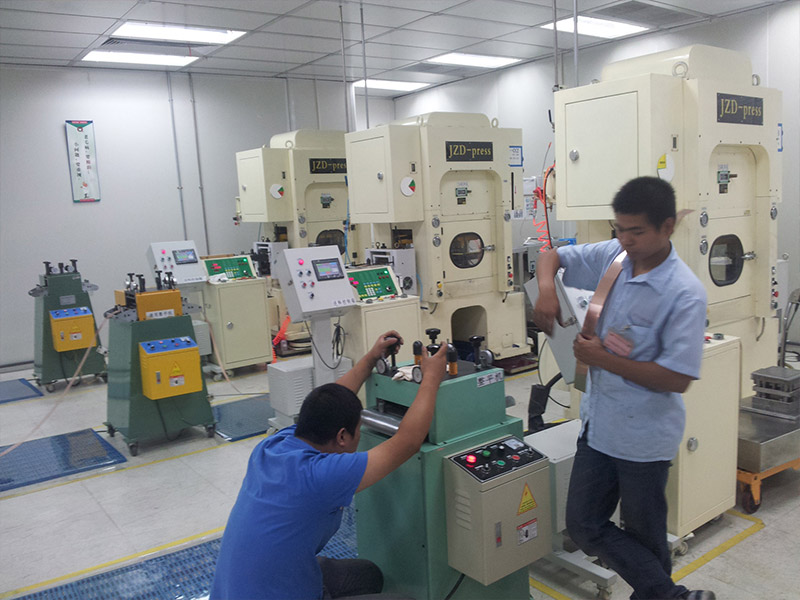
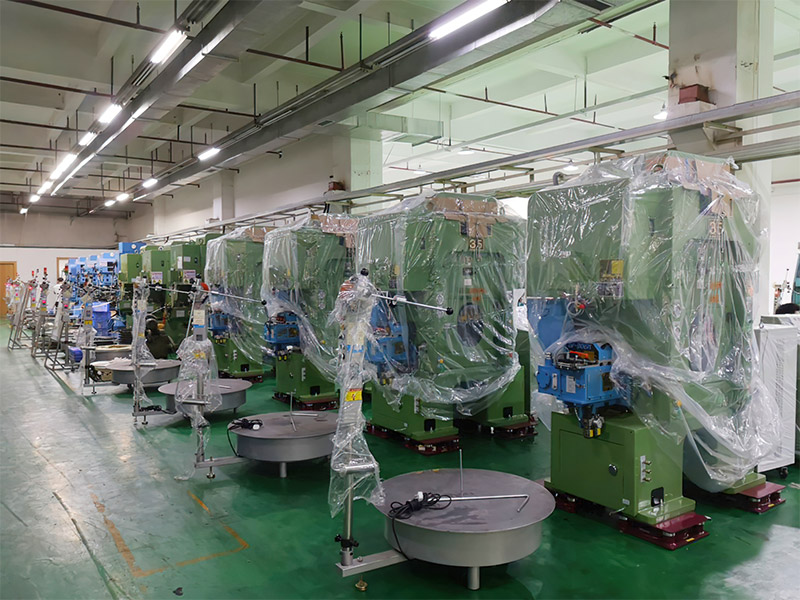
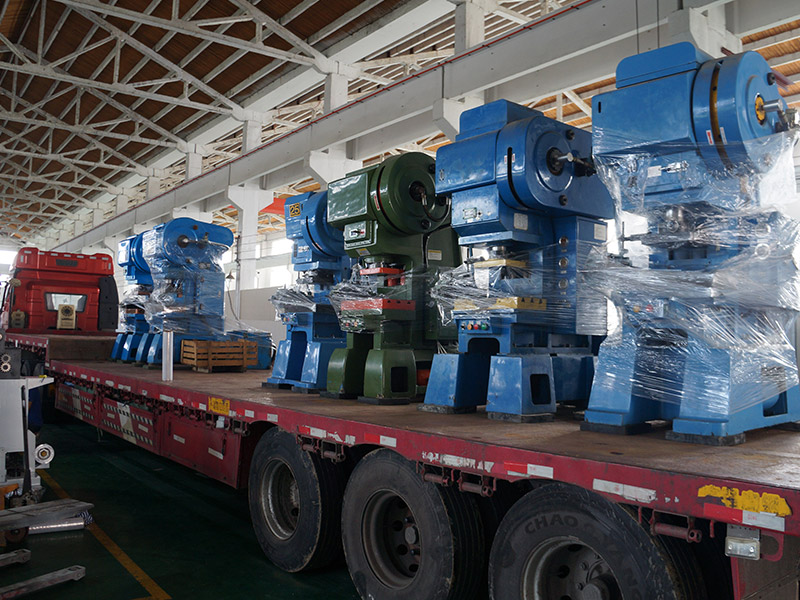
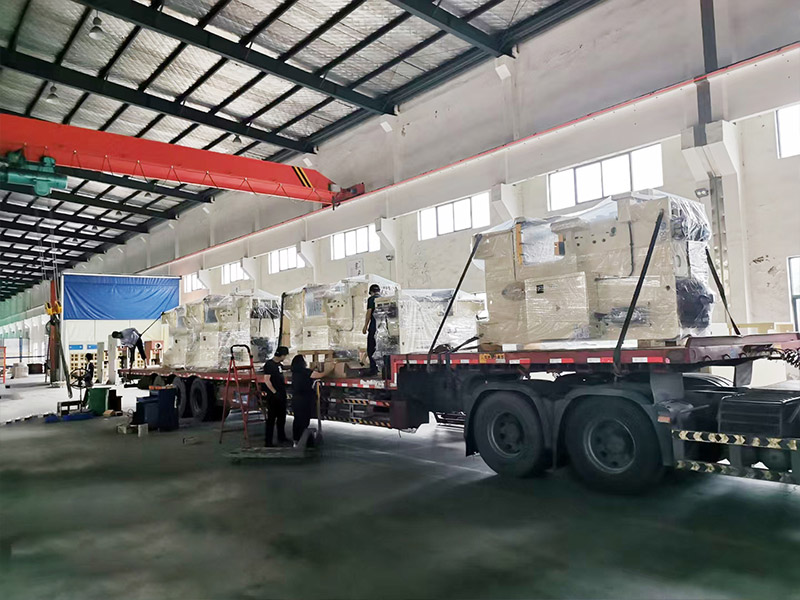
Core Advantages Ofprecision Pneumatic Press

High Precision
● Precise Pneumatic Control For High Positioning Accuracy
● Repeatability Up To ±0.01 Mm
● Excellent Consistency And Reliable Quality
High Efficiency
● Fast Pneumatic Actuation With Quick Response
● Short Cycle Time For Higher Productivity
● Suitable For High-Volume Continuous Production
High Stability
● Stable Performance Of Pneumatic Components
● Rigid Structure With Low Failure Rate
● Ensures Consistent Accuracy And Reliability Over Long-Term Operation
Low Cost
● Simple Structure, Easy To Manufacture And Maintain
● Low Energy Consumption And Operating Cost
● Low Tooling Cost And Overall Cost-Effective
Environmental Protection
● Uses Clean Compressed Air, No Pollution
● No Oil Leakage, Clean And Tidy Working Environment
● Complies With Green Manufacturing And Environmental Requirements
Easy Maintenance
● Standardized Pneumatic Components
● Simple Structure, Easy Disassembly And Assembly
● Quick Maintenance, Less Downtime And Production Loss
Safe & Reliable
● Pneumatic System Pressure Is Controllable
● Overload Protection And Dual-Hand Operation Options
● Ensures Operator And Equipment Safety
Wide Applicability
● Supports Various Processes: Punching, Blanking, Forming, Riveting, Etc.
● Suitable For Multiple Materials: Metal, Plastic, Composite Materials, Etc.
● Widely Used Across Many Industries
- 01.
 Automotive IndustryBody Structural Parts, Chassis Components, Seat Frames, Battery Trays, Bumper Reinforcements, Etc.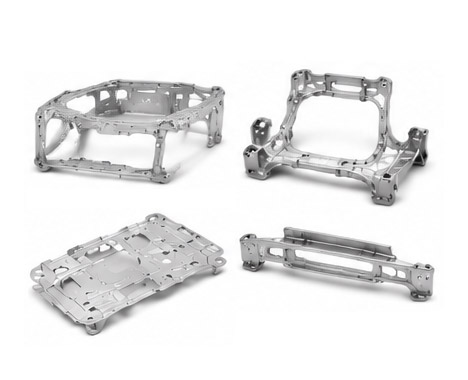
- 02.
 Home Appliance & Electronics IndustryEnclosures, Back Panels, Brackets, Heat Sinks, Connector Terminals, Screen Shields, Etc.
- 03.
 Hardware Products IndustryHinges, Locks, Handles, Tool Components, Sliding Rails, Fasteners, Etc.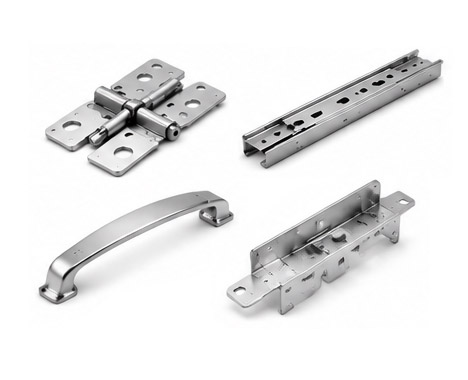
- 04.
 Medical Device IndustrySurgical Instrument Trays, Device Housings, Brackets, Handles, Precision Structural Parts, Etc.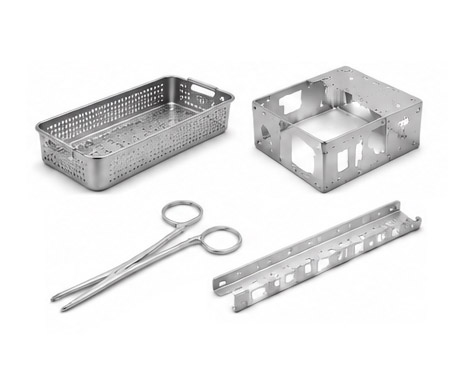
- 05.
 Construction Material IndustryCeiling Systems, Channel Brackets, Angle Connectors, Mounting Plates, Etc.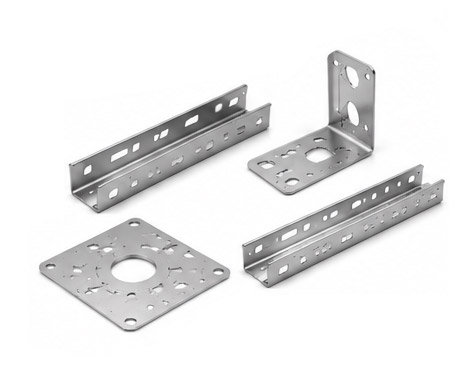
- 06.
 Industrial Equipment IndustryEquipment Housings, Base Plates, Gear Plates, Machine Covers, Nameplates, Etc.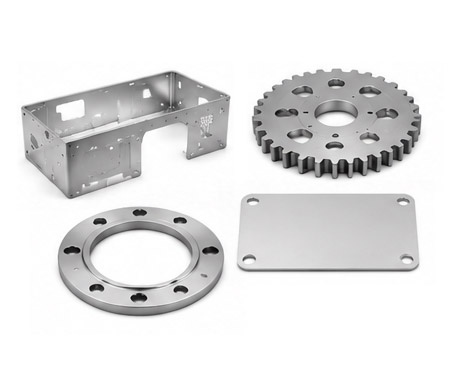
- Define Process Requirements
● Part Requirements
● Tolerances & Accuracy
● Production Volume - Confirm Key Parameters
● Material & Thickness
● Press Force Calculation
● Die Parameters - Match Press Type
● Type Of Operation
● Frame Design
● Drive System - Determine Press Specifications
● Rated Tonnage
● Bed Size
● Stroke & Spm
● Shut Height - Evaluate & Decide
● Accuracy & Stability
● Automation & Expandability
● Cost & After-Sales Service
Need Help Choosing the Right Model?
 How to select a stamping press?Select the stamping press based on the workpiece material, sheet thickness, part dimensions, and stamping process. Match these factors to the required tonnage, throat depth, table size, and press model.
- How to choose the press stroke rate?Standard stamping presses operate at 60–120 strokes per minute, while high-speed presses run at 300–1200 strokes per minute. Choose according to production capacity and workflow requirements.
- What is the typical delivery time for a stamping press?Common specifications (e.g., 25–260 tons) are usually delivered in 3–4 weeks. Non-standard or large-tonnage presses (300 tons and above) may require 6–12 weeks.
- What are the installation requirements for a stamping press?A flat, load-bearing floor is required. Large-tonnage presses may need reinforced concrete foundations.
- What materials can a stamping press process?Stamping presses can handle cold-rolled steel, carbon steel, stainless steel, aluminum, galvanized steel, high-strength steel, and other metal sheets.
- What safety precautions should be followed during operation?Before operating, check all protective devices, ensure lubrication and electrical/pneumatic systems are normal, and strictly follow operational procedures for feeding and die changes.