



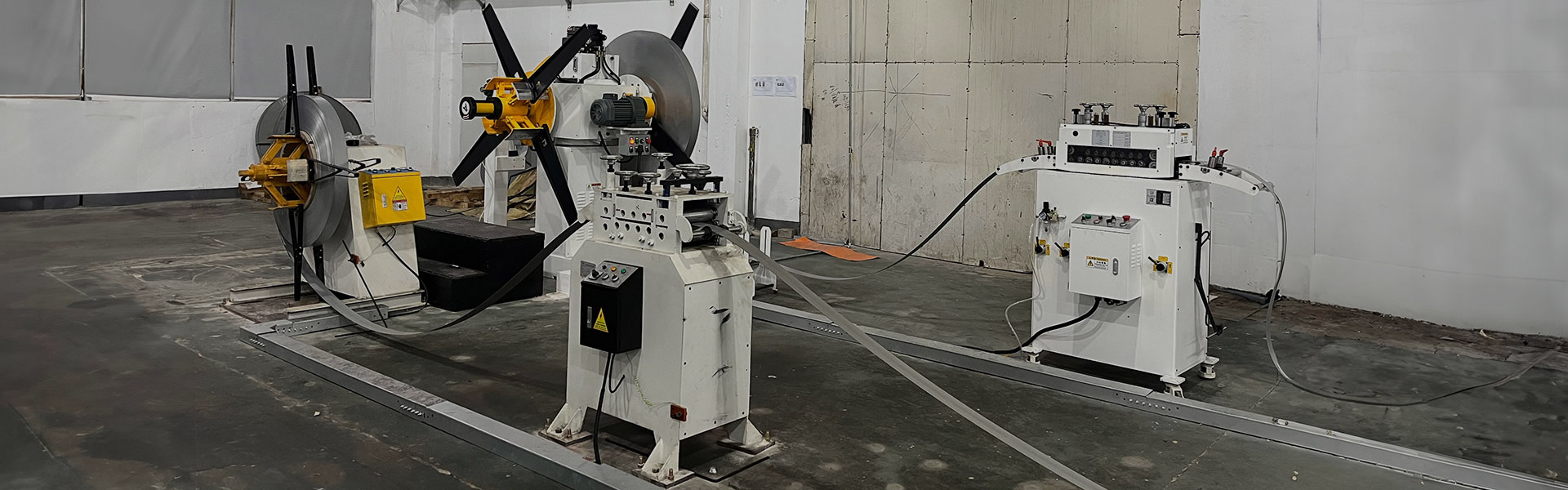
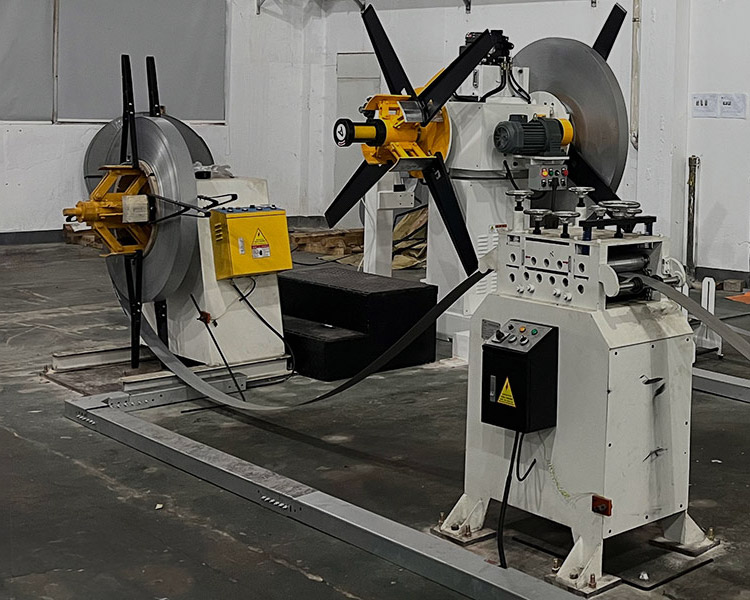
Select the Right Model by Working Range
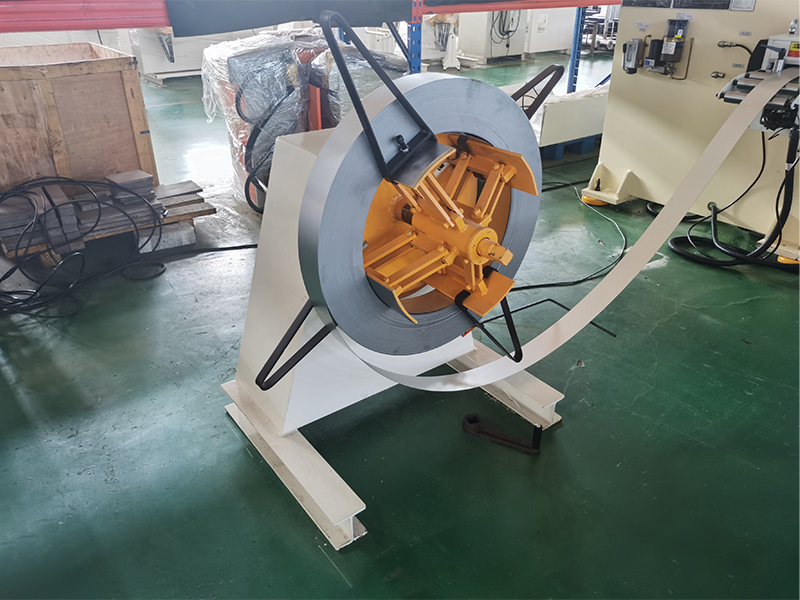
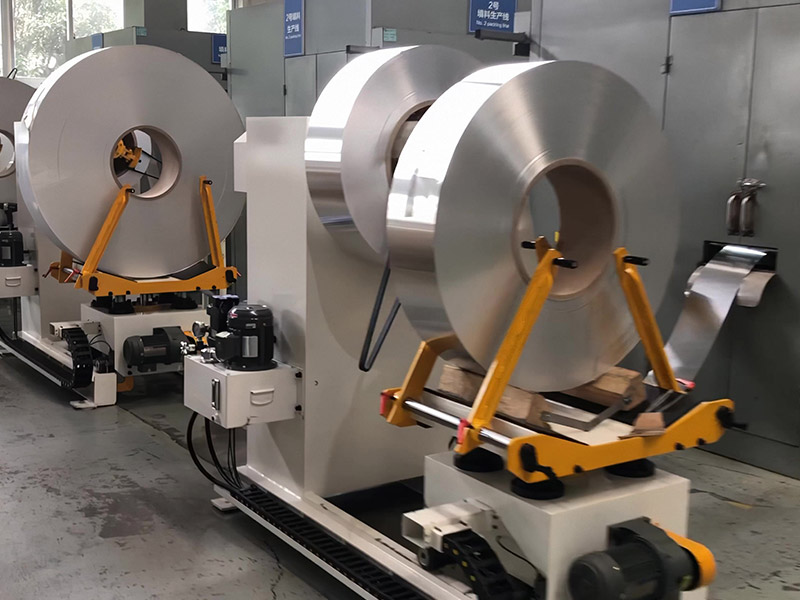
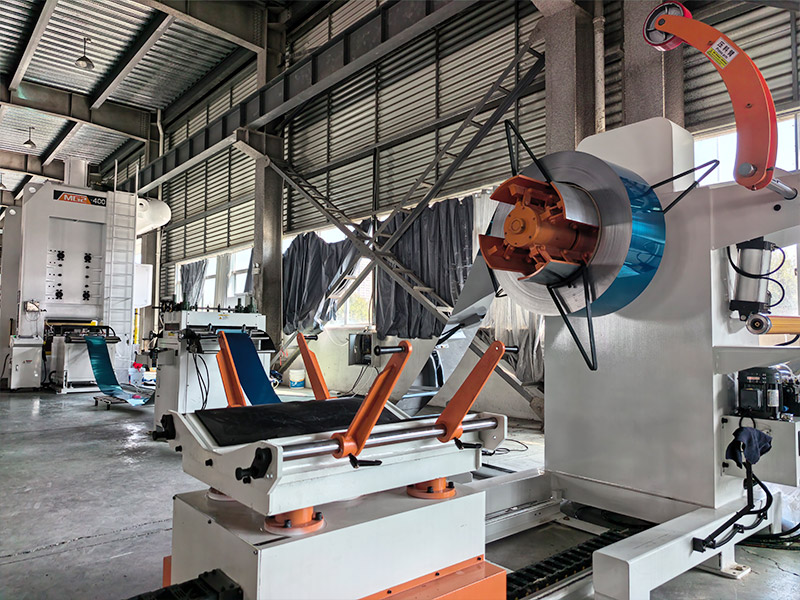
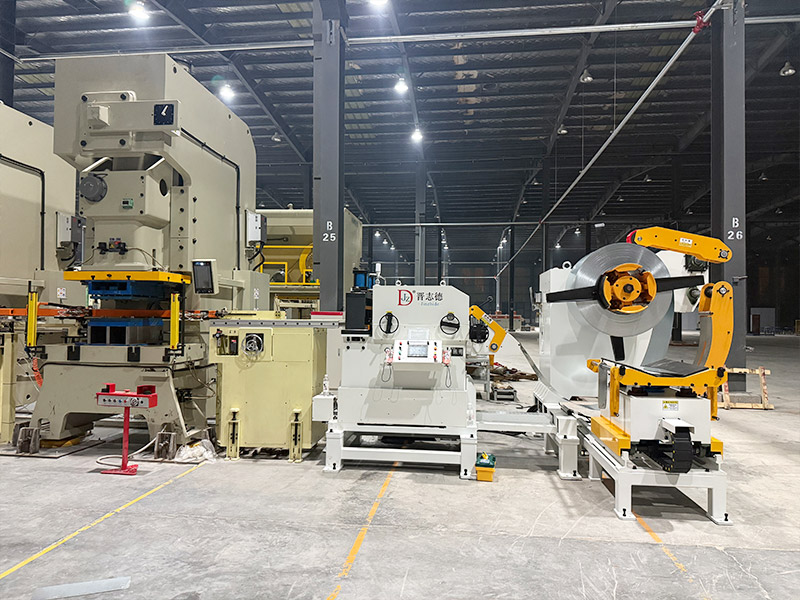
The Manual Decoiler use a vertical expansion/contraction support design. The mandrel can be hand-cranked to expand and secure the inner diameter of the coil, and an automatic contact-type induction system handles start/stop control.
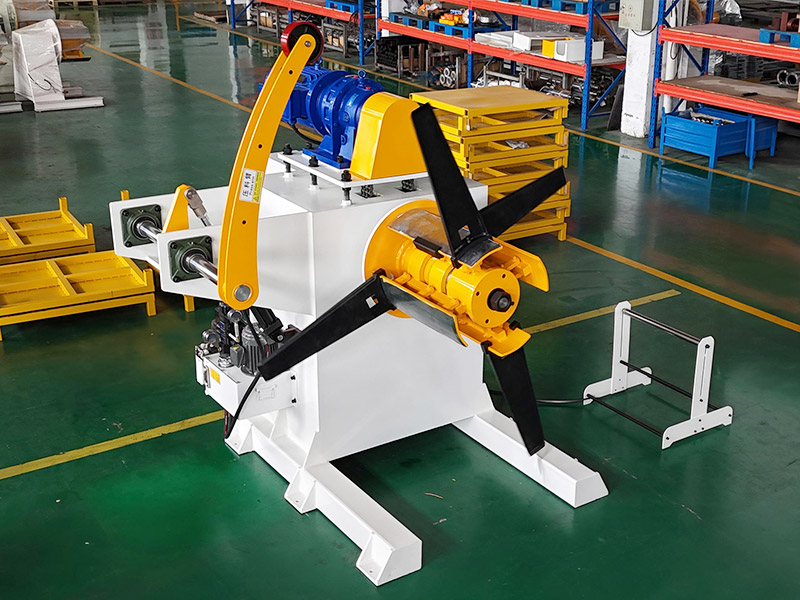
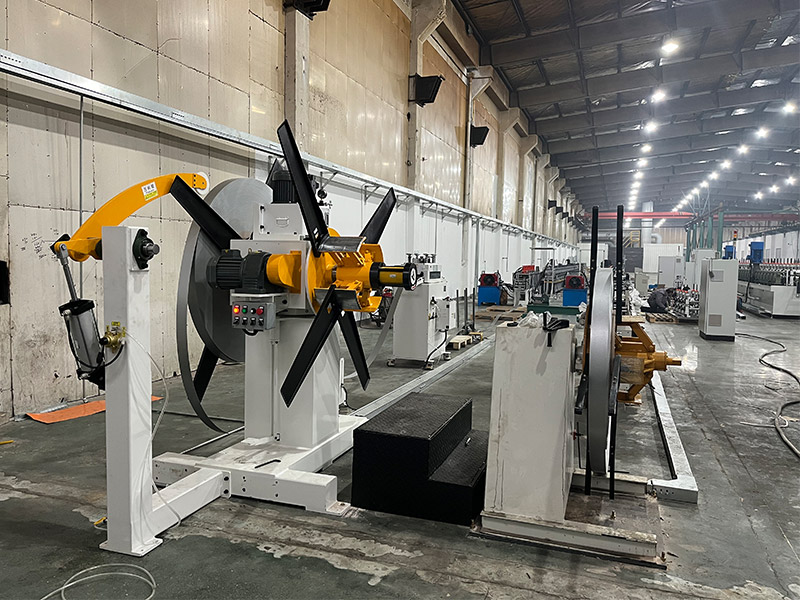
A hydraulic decoiler is specialized equipment for metalworking and steel coil handling, engineered to unwind heavy coils with weights ranging from 3 to 25 tons.
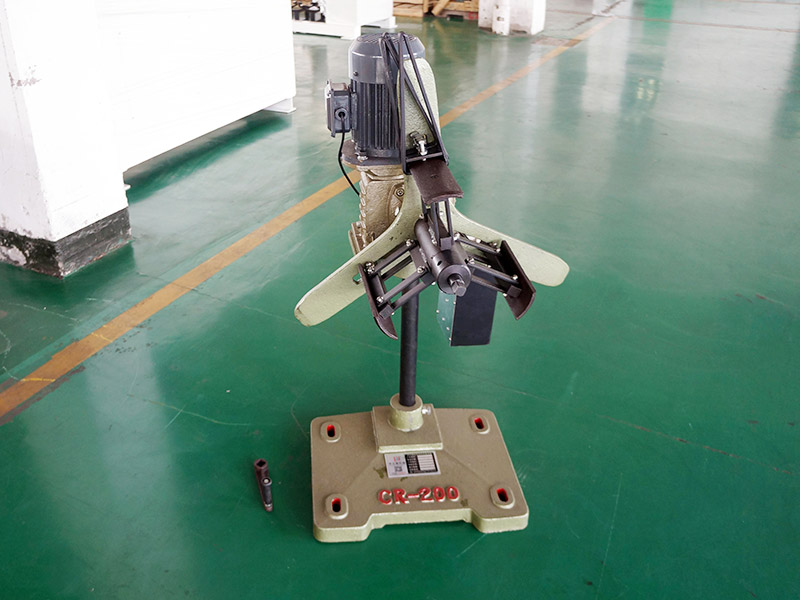
The light-duty decoiler, designed for both small-coil unwinding and rewinding, features motorized operation for effortless handling and delivers consistently stable performance.
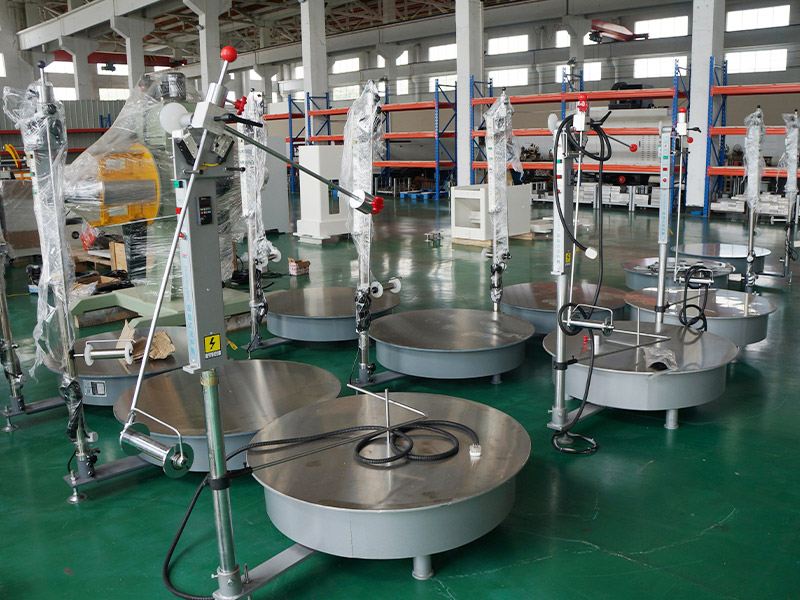
A pallet decoiler is a horizontal uncoiling unit engineered for handling narrow, soft materials. Its straightforward design streamlines coil loading and unloading.
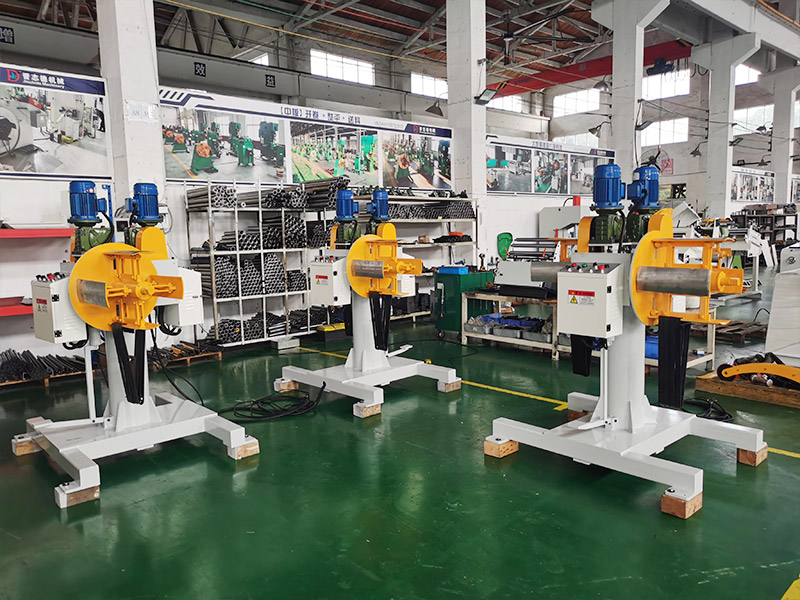
Optimize your production line with our Passive Double-Head Decoiler Machine—a high-efficiency metalworking solution engineered for uninterrupted roll feeding and minimum downtime.
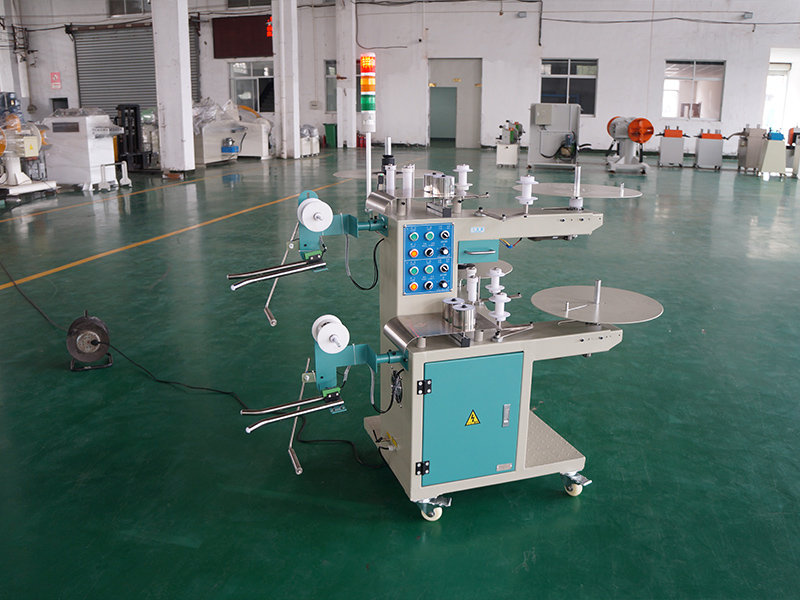
Terminal rewinding machines are designed for high-speed production lines to efficiently collect, package, and feed continuous terminal strips after stamping or plating.
- JINZHIDE focuses on coil-fed stamping automation equipment and provides one-stop support from product selection and solution planning to installation, commissioning, and after-sales service. We support custom parameters, complete line matching, and overseas service to help customers execute projects more smoothly.
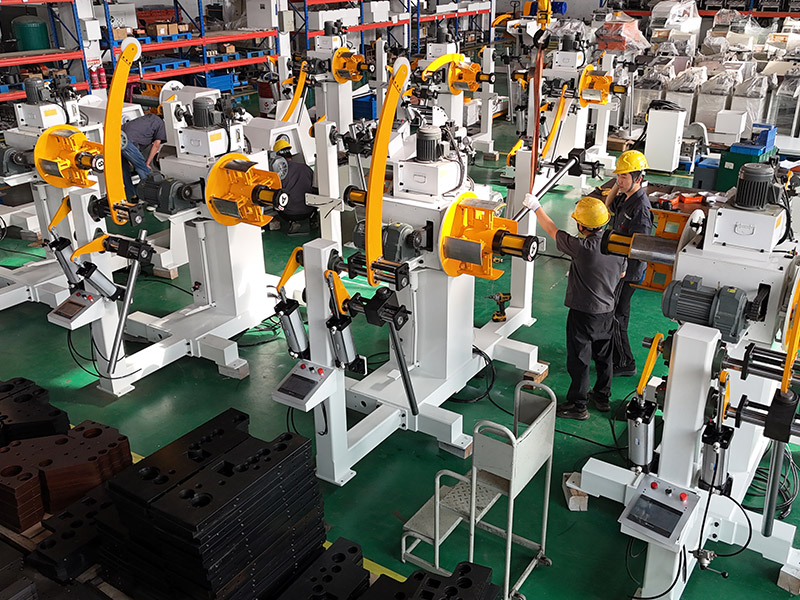
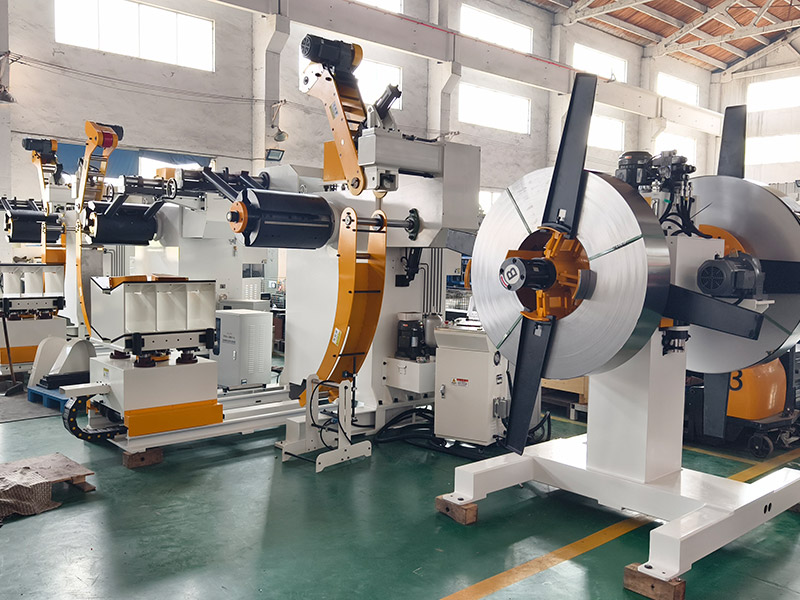
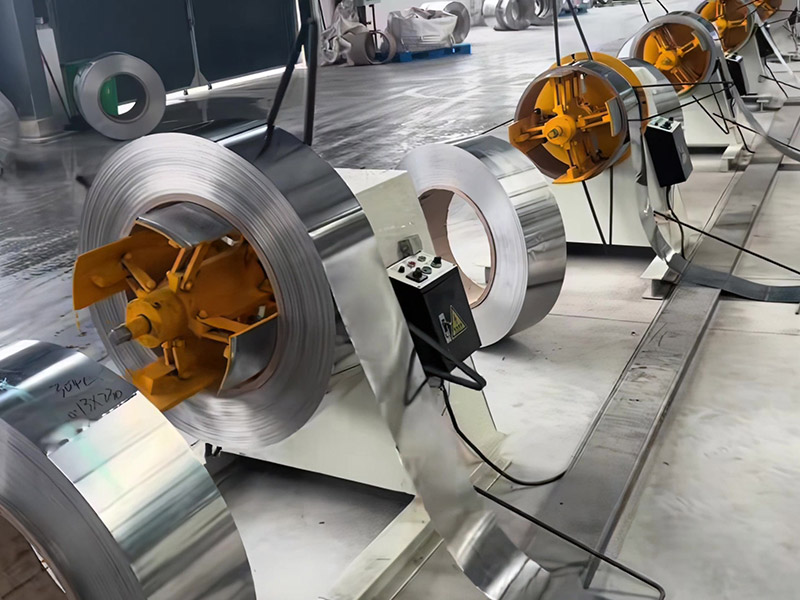
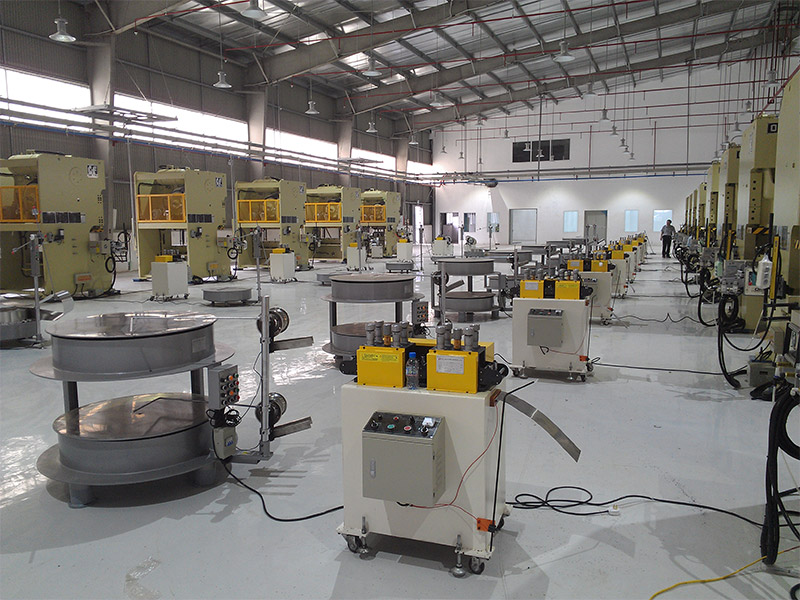
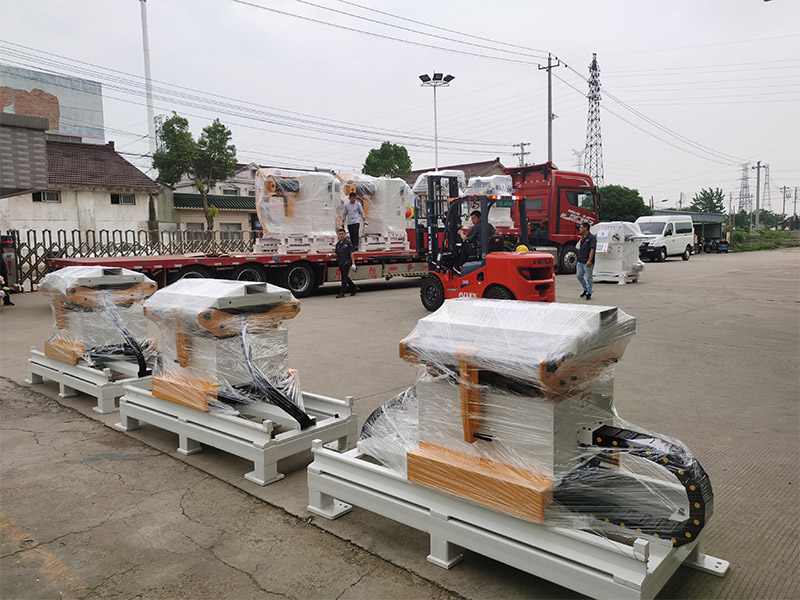
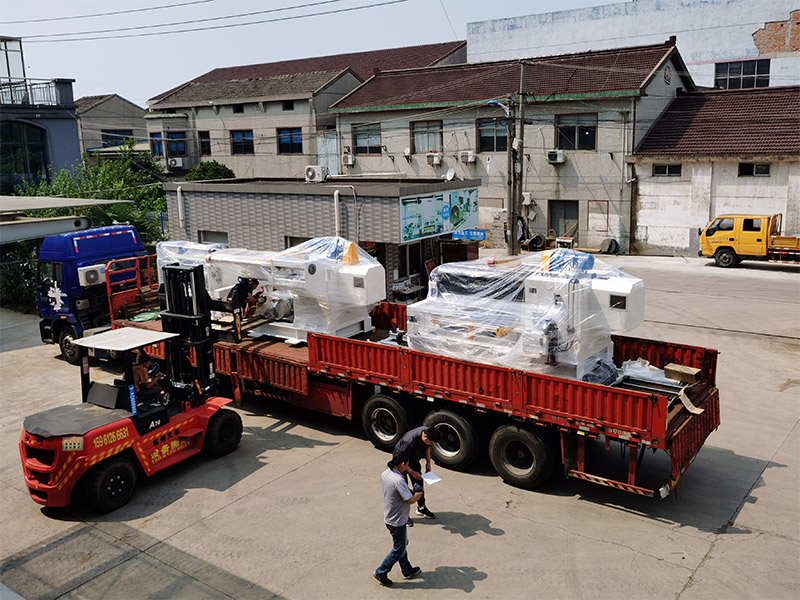
Core Advantages of Decoiler

Wide Application
Suitable for various coils and industries, meeting diverse production needs.

Easy Operation
User-friendly design for simple and intuitive operation, reducing labor intensity.

Stable & Efficient
Stable performance and high efficiency ensure continuous production and improved output.

Durable & Low Consumption
High-quality materials and robust structure for long service life with low energy consumption.

Stable Discharge
Precise tension control ensures smooth and stable material feeding.

Easy Maintenance
Modular design for easy maintenance and lower downtime and costs.
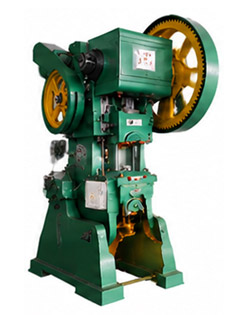
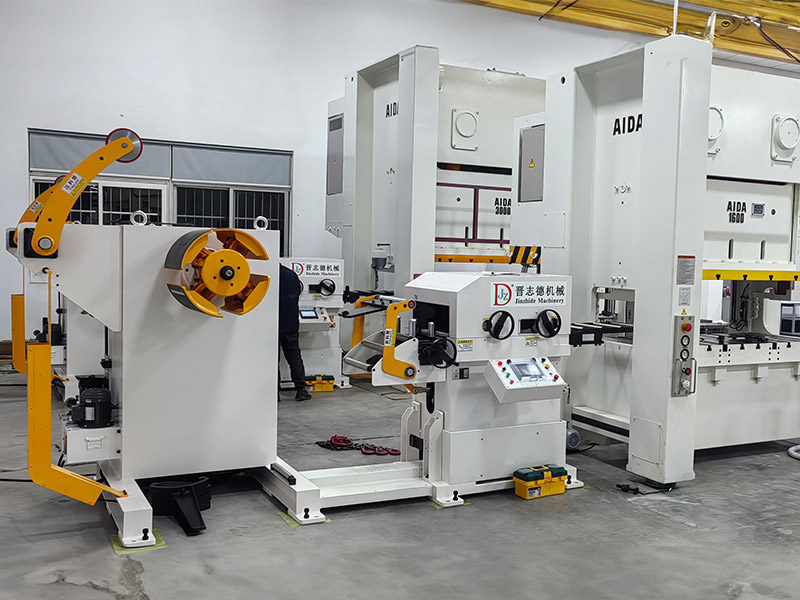
- 01.Traditional Punch Press
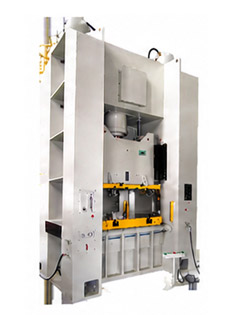
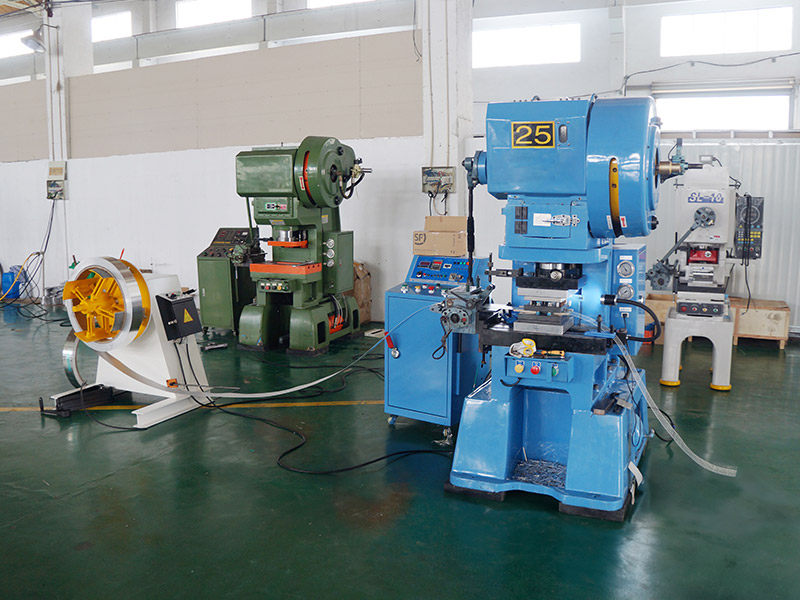
- 02.Precision Punch Press
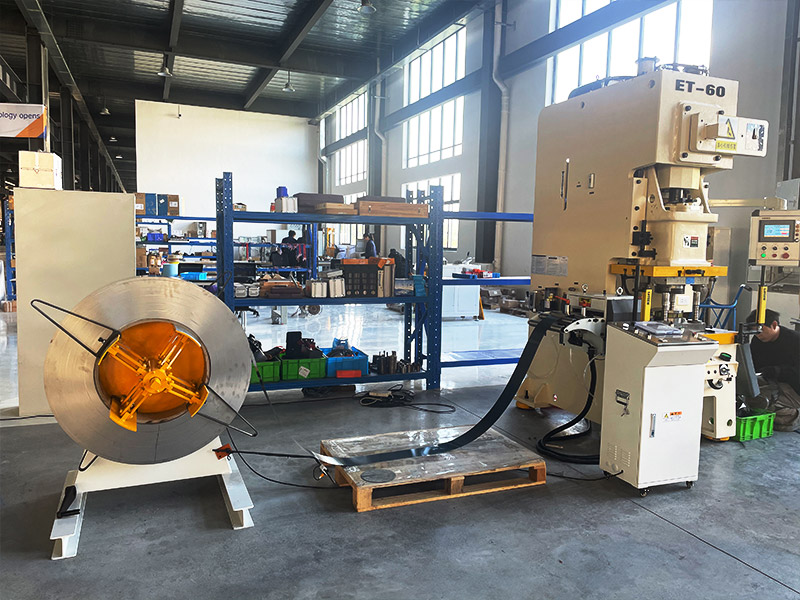
- 03.High-Speed Punch Press
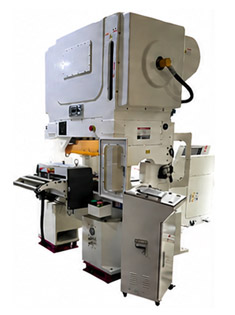
- 04.Cold Roll Forming Machine
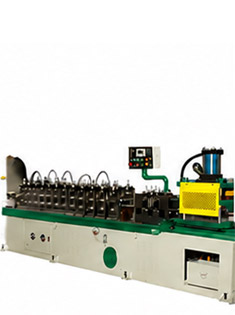
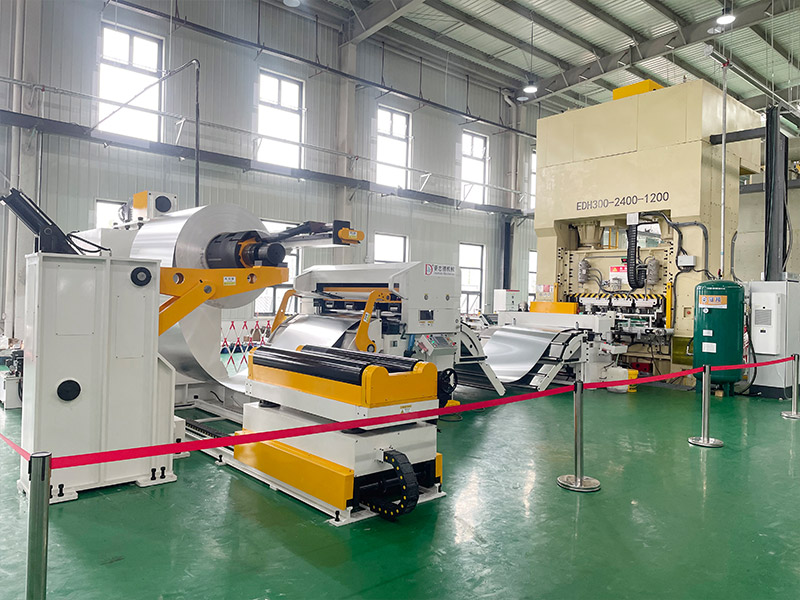
- 05.Hydraulic Press
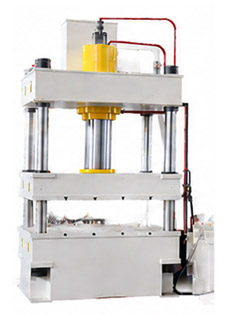
- 06.Laser Cutting Machine
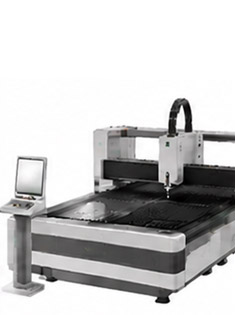
- Material Parameters
● Material type and properties
● Material thickness range
● Material width range
● Coil weight and coil diameter - Load Capacity
● Maximum coil weight requirement
● Maximum coil outer diameter requirement
● Matching with mandrel (expansion) inner diameter
● Structural strength and rigidity - Performance
● Uncoiling speed range
● Tension control accuracy
● Running stability
● Positioning and braking performance - Structure And Configuration
● Uncoiler type selection
● Drive mode selection
● Control system configuration
● Additional function requirements - Safety Protection Configuration
● Safety protection devices
● Equipment stability
● Fault detection and maintenance
● Service life requirements - Cost And Service
● Equipment procurement cost
● Operation and maintenance cost
● After-sales service capability
● Delivery time and supply guarantee
Need Help Choosing the Right Model?
 How to select a Decoiler?Choose a Decoiler based on material width, thickness, coil weight, inner and outer diameter, and required feed speed to ensure compatibility with your stamping press line.
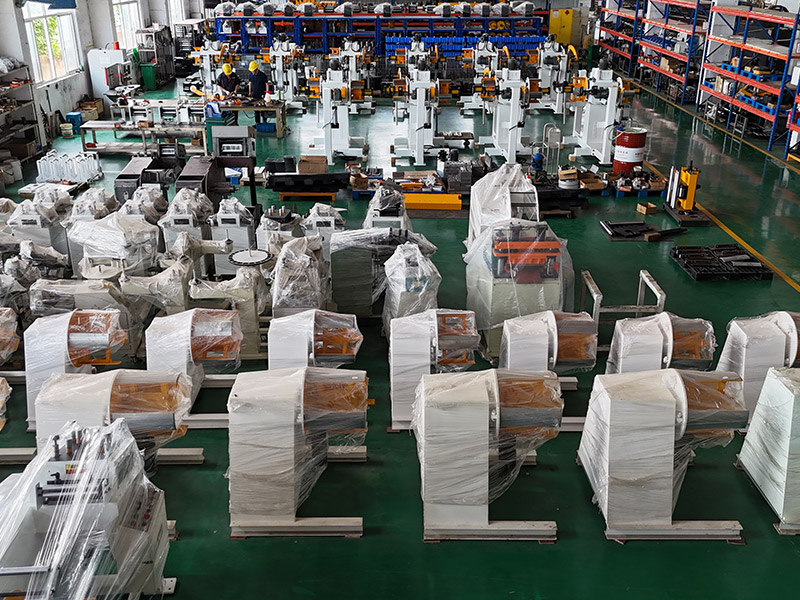
- What is the delivery time for a Decoiler?Standard models typically ship in 5–7 days. Heavy-duty or non-standard/custom models require 15–30 days.
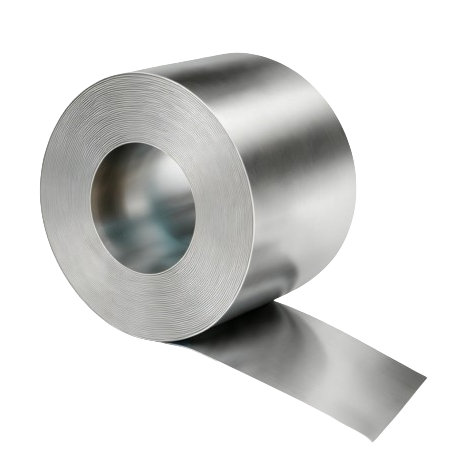
- Which materials are suitable for a Decoiler?Compatible with a variety of metal coils including cold-rolled steel, galvanized steel, stainless steel, aluminum, and strip steel.
- What is the difference between powered and unpowered Decoilers?Powered Decoilers: Equipped with a drive motor, allowing speed control and stable coil feeding without misalignment. Unpowered Decoilers: Rely on a Straightener or Feeder to pull the material, suitable for thin sheets, but less stable.
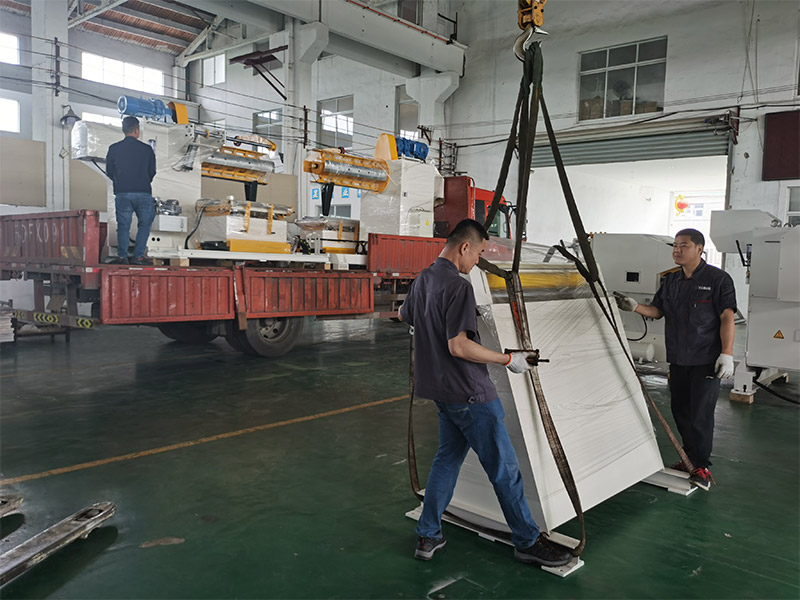
- What are the installation requirements for a Decoiler?A flat, load-bearing floor is required. For large-diameter or heavy-duty models, a reinforced foundation is recommended.
- How is automatic start/stop controlled on a Decoiler?Standard models use an inductive contactor for start/stop control. For non-conductive materials, micro-switches, proximity sensors, or photoelectric sensors are used.